
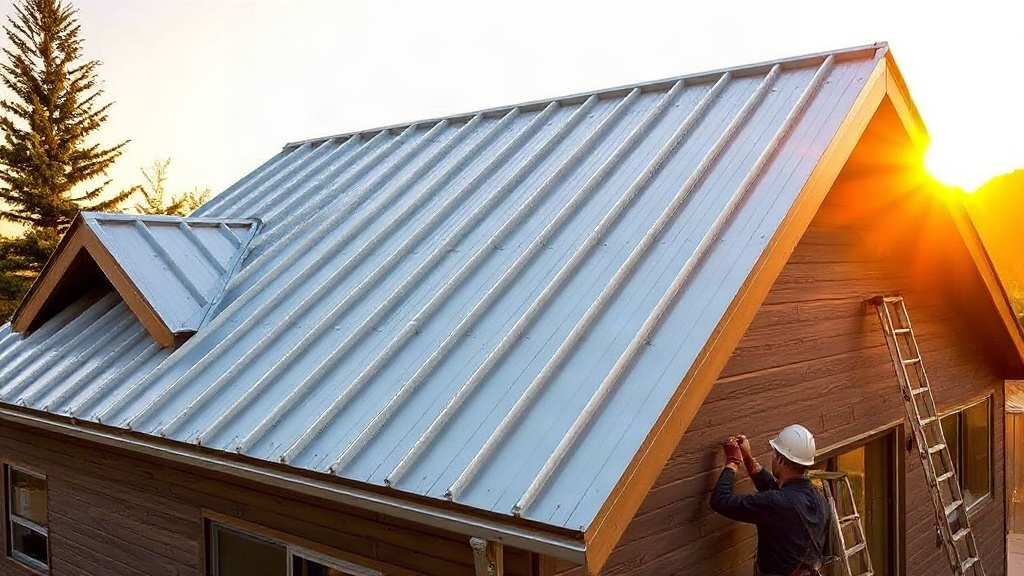
When it comes to roofing, the difference between a building that performs well for decades and one that constantly demands repairs often comes down to one choice: the roofing system. Among the most impactful decisions you can make is opting for insulated roof panels. These panels do more than cover your structure; they create a barrier against heat, cold, noise, and moisture, all while streamlining installation. In this guide, I'll share what I've learned from years of working with builders and homeowners who have made the switch to insulated panels, and why they rarely look back.
What Are Insulated Roof Panels?
Insulated roof panels, also known as sandwich panels, consist of an insulating core sandwiched between two layers of metal or other facing materials. The core is typically made of polyurethane (PUR), polyisocyanurate (PIR), expanded polystyrene (EPS), or mineral wool. These panels are prefabricated in factory-controlled conditions, ensuring consistent thickness and insulation value. Unlike traditional roofing where insulation is added separately, these panels combine structure, insulation, and weatherproofing in a single component.
The concept isn't new; it has been used in cold storage and industrial buildings for decades. However, advancements in materials and manufacturing have made them increasingly popular for residential, commercial, and agricultural applications. The key advantage is thermal efficiency: the insulating core minimizes heat transfer, reducing reliance on heating and cooling systems.
Why Insulated Roof Panels Outperform Traditional Roofing
Traditional roofs often suffer from thermal bridging, where framing members conduct heat through the insulation, and from gaps that allow air leakage. Insulated roof panels eliminate these issues because the insulation is continuous and the panels interlock tightly. This results in a more comfortable indoor environment and lower energy bills. In my own experience retrofitting a warehouse, the monthly heating cost dropped by nearly 30% after switching to PIR panels.
Beyond energy savings, these panels offer superior moisture control. The closed-cell structure of many cores resists water absorption, and the metal skins provide a waterproof barrier. This reduces the risk of mold and rot, common problems in traditional roofs. Additionally, the panels are lightweight yet strong, often allowing for fewer support structures and faster installation.
Types of Insulated Roof Panels and Their Best Uses
Choosing the right panel depends on your building's needs, climate, and budget. Here's a breakdown of the most common options:
- Polyurethane (PUR) Panels: Excellent thermal performance with high R-values per inch. Ideal for commercial and industrial buildings where energy efficiency is critical.
- Polyisocyanurate (PIR) Panels: Similar to PUR but with enhanced fire resistance. Often used in high-risk environments.
- Expanded Polystyrene (EPS) Panels: Cost-effective and lightweight, with good insulation properties. Suitable for residential and agricultural buildings.
- Mineral Wool Panels: Non-combustible and sound-absorbing, making them a top choice for schools, hospitals, and airports.
Each type has its strengths. For a home in a moderate climate, EPS panels might be sufficient and budget-friendly. For a chemical plant, mineral wool or PIR panels provide the necessary fire safety.
Installation: What to Expect and How to Get It Right
Installing insulated roof panels is generally faster than traditional roofing because they arrive pre-cut and ready to fit. However, proper installation is crucial to maximize performance. Here are key steps:
- Preparation: Ensure the roof structure is level and capable of supporting the panel weight. Check for any existing damage.
- Panel Placement: Start at the eaves and work upward, ensuring each panel overlaps the previous one to shed water. Use recommended fasteners and seals.
- Sealing: Apply sealant at joints and penetrations to maintain weathertightness. Don't skip this step; even small gaps can compromise insulation.
- Finishing: Install ridge caps, flashings, and gutters as needed. Inspect the entire roof for any issues.
While DIY is possible for small projects, I recommend hiring experienced installers for larger roofs. Mistakes can lead to leaks and reduced efficiency, costing more in the long run.
Maintenance Tips for Longevity
Insulated roof panels are low-maintenance, but a little care goes a long way. Inspect the roof annually for loose fasteners, damaged seals, or signs of wear. Clean the surface with mild soap and water to remove dirt and debris; avoid abrasive cleaners that can scratch the coating. If you notice any dents or punctures, repair them promptly to prevent moisture ingress. With proper care, these panels can last 30 years or more.
Frequently Asked Questions
How do insulated roof panels compare to traditional roofs in terms of cost?
While the upfront cost of insulated roof panels is higher than traditional roofing, the long-term savings from reduced energy bills and lower maintenance often offset the initial investment. Many users see a return on investment within 5-10 years.
Can insulated roof panels be installed over an existing roof?
Yes, in many cases, they can be installed over an existing roof, saving on disposal costs and reducing installation time. However, a structural assessment is necessary to ensure the existing roof can support the added weight.
Are insulated roof panels suitable for residential homes?
Absolutely. They are increasingly used in residential construction, especially in energy-efficient homes. They provide excellent insulation and can be finished with various colors and profiles to match aesthetic preferences.
What is the typical lifespan of insulated roof panels?
With proper installation and maintenance, insulated roof panels can last 30 to 50 years, depending on the materials and environmental conditions. The metal skins are often coated to resist corrosion, further extending durability.
Do insulated roof panels require special structural support?
They are lightweight relative to their strength, but they do require a properly engineered support system. The panels span between purlins or rafters, and the spacing must be calculated based on panel load ratings and local building codes.
Final Thoughts
Choosing insulated roof panels is a decision that pays off in comfort, savings, and peace of mind. Whether you're building new or retrofitting, these panels offer a modern solution to age-old roofing challenges. If you're ready to explore options, consult with a supplier who can guide you through material selection and installation. Your roof is one of the most important investments in your property; make it count.