
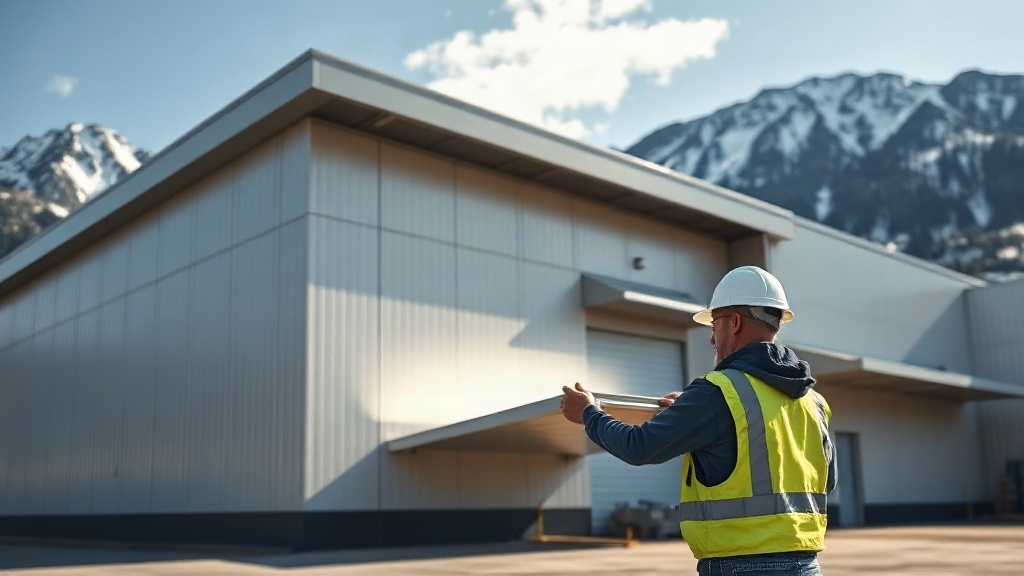
When you think about energy-efficient buildings in Canada, the conversation often turns to insulation. Among the many options, EPS insulation stands out as a versatile and cost-effective solution, especially when integrated into sandwich panels Canada relies on for modern construction. But what makes EPS so special? In this article, we'll explore how EPS insulation works in sandwich panels and insulated roof panels, and why it's a smart choice for Canadian climates.
What is EPS Insulation?
EPS, or Expanded Polystyrene, is a rigid foam insulation made from polystyrene beads expanded with steam. The result is a lightweight, closed-cell material that traps air, providing excellent thermal resistance. Unlike some other insulations, EPS is free of CFCs and HCFCs, making it an environmentally responsible choice. Its R-value per inch ranges from 3.6 to 4.0, which is competitive with other foam insulations.
Why EPS Insulation is Ideal for Sandwich Panels in Canada
Sandwich panels Canada manufacturers frequently choose EPS as the core material due to its balance of performance and affordability. These panels consist of two rigid facings (often metal) bonded to an insulating core. EPS core panels offer:
- Superior thermal performance: EPS reduces heat transfer, lowering energy costs.
- Lightweight construction: Easier to handle and install, reducing labor costs.
- Moisture resistance: Closed-cell structure resists water absorption.
- Durability: EPS does not degrade over time and resists mold and mildew.
In Canada's varied climate, from coastal rains to prairie cold, EPS insulation maintains its performance without significant loss of R-value, unlike some fibrous insulations that can settle or absorb moisture.
Applications of EPS Insulation in Canadian Buildings
EPS insulation is used in various building types across Canada:
- Commercial and industrial buildings: Warehouses, cold storage, and manufacturing facilities benefit from EPS sandwich panels for walls and roofs.
- Agricultural structures: Barns and greenhouses use EPS panels for temperature control.
- Residential: Increasingly, homeowners choose EPS insulated panels for additions, garages, and even entire homes.
For insulated roof panels, EPS core panels provide a seamless, energy-efficient roofing solution that can be installed quickly, reducing construction time.
EPS vs. Other Insulation Materials
When comparing EPS to polyurethane (PUR) or polyisocyanurate (PIR), EPS offers a lower initial cost while still delivering solid thermal performance. While PUR and PIR have slightly higher R-values per inch, EPS is often sufficient for many applications, especially when thicker panels are used. Additionally, EPS is more environmentally friendly in terms of blowing agents and recyclability.
Environmental Benefits of EPS Insulation
EPS is 100% recyclable and can be reprocessed into new products. It requires less energy to produce compared to some other insulations, and its lightweight nature reduces transportation emissions. For Canadian projects aiming for LEED certification or net-zero energy, EPS sandwich panels contribute valuable points.
Installation Tips for EPS Sandwich Panels
Proper installation ensures optimal performance:
- Ensure proper sealing: Use high-quality sealants to prevent air leakage.
- Handle with care: Although durable, EPS can be dented; avoid dropping panels.
- Follow manufacturer guidelines: Each panel system has specific installation requirements.
- Consider thermal bridging: Use thermal breaks where panels meet structural elements.
Working with experienced contractors familiar with EPS panels is key to a successful project.
Frequently Asked Questions
How does EPS insulation perform in extreme cold?
EPS maintains its R-value in cold temperatures, making it suitable for Canadian winters. It does not become brittle or lose effectiveness.
Are EPS sandwich panels fire-resistant?
EPS contains flame retardants, but it is combustible. However, when used in sandwich panels with proper fire-rated facings and assemblies, they can meet building code requirements. Always check local codes.
Can EPS insulated roof panels be used for flat roofs?
Yes, EPS panels are suitable for flat roofs when installed with appropriate waterproofing membranes and drainage systems.
What is the lifespan of EPS insulation?
EPS insulation can last 50 years or more when properly installed and protected from UV exposure. It does not degrade or lose R-value over time.
Is EPS insulation environmentally friendly?
EPS is recyclable and has a lower environmental impact compared to some alternatives. It does not contain ozone-depleting substances.
EPS insulation is a proven, reliable choice for sandwich panels and insulated roof panels in Canada. Its combination of thermal efficiency, affordability, and durability makes it a smart investment for any building project. Whether you're constructing a new warehouse or retrofitting a home, consider EPS panels for your insulation needs.