
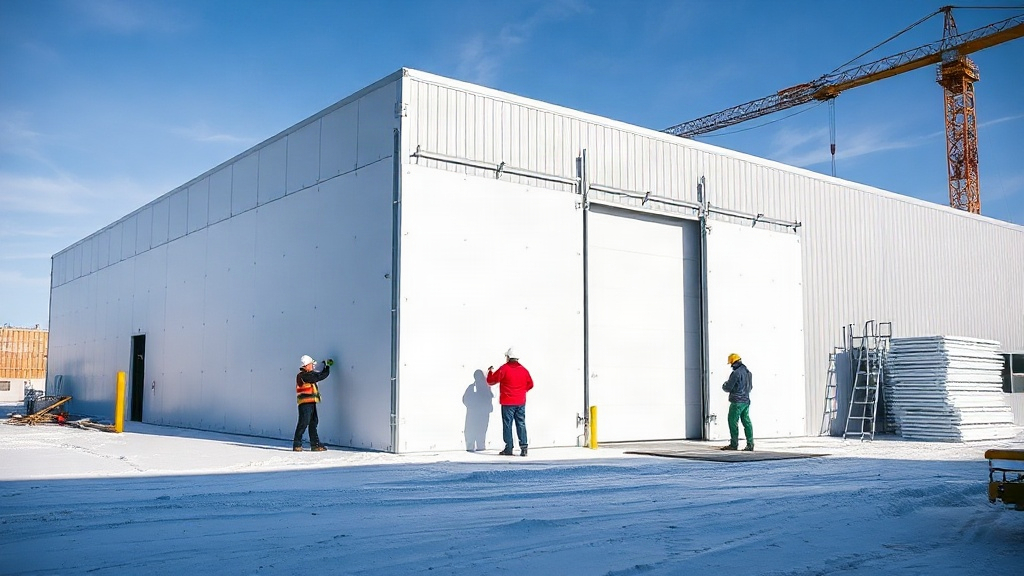
When you think about building in Canada, harsh winters and sweltering summers come to mind. Whether you're putting up a warehouse in Alberta or a cold storage facility in Ontario, the envelope of your building has to perform. That's where Sandwich Panels Canada come into play. These composite building systems have quietly become the backbone of modern industrial, commercial, and even residential construction from coast to coast. But what makes them so popular, and why should you consider them for your next project? Let's break it down.
What Exactly Are Sandwich Panels?
A sandwich panel is a factory-made composite consisting of two rigid outer skins bonded to a lightweight insulating core. The skins are typically made of steel, aluminum, or sometimes fiberglass, while the core can be polyurethane (PUR), polyisocyanurate (PIR), expanded polystyrene (EPS), or mineral wool. The result is a strong, rigid panel that insulates far better than traditional materials like concrete or brick. In Canada, where energy codes are tightening and labour costs are rising, this efficiency is a game-changer.
Why Sandwich Panels Are Gaining Ground in Canada
Canada's construction industry faces unique pressures: short building seasons, high energy costs, and a growing demand for sustainable solutions. Sandwich panels address all three. They arrive on site ready to install, cutting construction time by up to 50% compared to conventional methods. Their continuous insulation eliminates thermal bridging, which is a major source of heat loss in Canadian buildings. And because they're prefabricated, there's less waste and fewer weather delays.
Energy Efficiency That Pays for Itself
Heating and cooling account for a huge chunk of a building's operating budget. With sandwich panels, you get an insulating core that delivers R-values ranging from R-8 to R-40 per inch, depending on the material. For a typical warehouse in Toronto, switching to PIR sandwich panels can reduce annual energy consumption by 30% or more. Over a 20-year lifespan, those savings can cover the initial investment several times over.
Speed of Installation
Time is money, especially when you're racing against the first snowfall. Sandwich panels are lightweight and come in large modular sections, so a crew can cover hundreds of square feet in a day. No need for separate insulation, sheathing, and cladding. This streamlined process not only accelerates your schedule but also reduces labour costs and on-site errors.
Durability in Extreme Weather
Canadian weather is brutal. From -40°C in Manitoba to coastal rain in British Columbia, your building envelope must resist moisture, wind, and freeze-thaw cycles. Quality sandwich panels feature factory-applied coatings that resist corrosion, fading, and impact. The tight interlocking joints prevent air and water infiltration, keeping your interior dry and comfortable.
Choosing the Right Core Material for Your Canadian Project
Not all sandwich panels are created equal. The core you choose affects thermal performance, fire safety, and cost. Here's a quick rundown:
- EPS (Expanded Polystyrene): Affordable and lightweight, good for temperature-controlled environments. However, it has lower fire resistance and may not meet strict codes for high-occupancy buildings.
- PUR/PIR (Polyurethane/Polyisocyanurate): Higher R-value per inch, excellent fire performance (PIR especially), and widely used in cold storage and industrial facilities.
- Mineral Wool: Non-combustible and ideal for fire-rated walls, but heavier and more expensive. Often specified for schools, hospitals, and high-rises.
For most Canadian industrial projects, PIR is the sweet spot between performance and cost. But always check local building codes and consult with a supplier who understands regional requirements.
Applications Across Industries
Sandwich panels are versatile. You'll find them in:
- Cold storage warehouses, where they maintain sub-zero temperatures efficiently.
- Manufacturing plants, providing clean, durable walls and ceilings.
- Agricultural buildings, resisting humidity and ammonia.
- Commercial offices, offering sleek aesthetics with hidden fasteners.
- Modular and prefab homes, especially in remote communities where traditional construction is costly.
In Canada, the growing trend toward net-zero buildings has further boosted demand. Architects appreciate that sandwich panels can integrate with solar panels and other green technologies.
Installation Tips from the Field
Even the best panel fails if installed poorly. Here are practical pointers:
- Store panels properly: Keep them off the ground, covered, and away from moisture. Warped panels are a nightmare to align.
- Use the right fasteners: Self-drilling screws with neoprene washers are standard. Over-tightening can crush the core and compromise the seal.
- Seal joints meticulously: Apply sealant or use factory-applied gaskets to prevent air leakage. A small gap can lead to condensation and mold.
- Account for thermal movement: Panels expand and contract with temperature changes. Leave adequate clearance at edges and use slotted holes where needed.
- Follow manufacturer guidelines: Each panel system has specific requirements. Skimping on details voids warranties and risks performance.
Cost Considerations: Are Sandwich Panels Worth It?
Upfront, sandwich panels may cost more per square foot than basic metal cladding with batt insulation. However, when you factor in reduced labour, faster build time, lower energy bills, and minimal maintenance, the total cost of ownership is often lower. For a 10,000 sq ft warehouse in Calgary, you might spend $15 to $25 per square foot for a complete sandwich panel system, but save thousands annually on heating. Plus, many Canadian provinces offer incentives for energy-efficient construction, which can offset costs further.
Environmental Impact and Sustainability
Sandwich panels can contribute to green building certifications like LEED. Steel skins are often made from recycled content and are fully recyclable at end of life. The insulation reduces operational carbon emissions significantly. Some manufacturers now offer panels with bio-based cores or enhanced recycled content. If sustainability is a priority, ask your supplier for Environmental Product Declarations (EPDs) to compare options.
Common Mistakes to Avoid
We've seen it all. Here are pitfalls that can ruin your project:
- Ignoring local snow load requirements. Canadian roofs must handle heavy snow; undersized panels can sag or fail.
- Mixing panel types from different manufacturers. Tolerances may not match, leading to fit issues.
- Skipping professional engineering. Sandwich panels are structural elements; they need proper design for wind and seismic loads.
- Using the wrong sealant. Some sealants degrade in UV light or cold temperatures. Choose one compatible with your panel coating.
Frequently Asked Questions About Sandwich Panels Canada
How do sandwich panels perform in Canadian winters?
They excel in cold climates. The insulating core prevents heat loss and minimizes thermal bridging. With proper installation, they resist frost buildup and condensation, even in extreme cold. Many cold storage facilities in Canada rely on them year-round.
Can sandwich panels be used for residential homes in Canada?
Absolutely. They're increasingly popular for prefab and modular homes, especially in remote areas. They offer fast construction, high energy efficiency, and modern aesthetics. However, check local zoning and building codes, as some regions have specific requirements for residential insulation and fire safety.
What is the typical lifespan of sandwich panels?
With proper maintenance, quality sandwich panels can last 30 to 50 years or more. The steel skins are coated to resist corrosion, and the core retains its insulation value. Regular inspections and prompt repairs of any damage will maximize longevity.
Are sandwich panels fire-rated?
It depends on the core. Mineral wool cores offer the highest fire resistance and are non-combustible. PIR cores also perform well and can achieve fire ratings for many applications. EPS cores are generally not recommended for fire-sensitive buildings. Always verify the fire rating with the manufacturer and ensure it meets your local building code.
How do I choose a supplier for sandwich panels in Canada?
Look for a supplier with a proven track record in your region. They should understand Canadian building codes, offer technical support, and provide warranties. Ask for references and visit completed projects if possible. A good supplier will help you select the right panel for your specific needs and climate.
Building in Canada demands materials that can take a beating and keep on performing. Sandwich panels deliver on that promise, combining energy efficiency, durability, and speed. Whether you're expanding a warehouse or constructing a new office, they're worth serious consideration. With the right panels and proper installation, you'll enjoy a comfortable, cost-effective building for decades to come.