
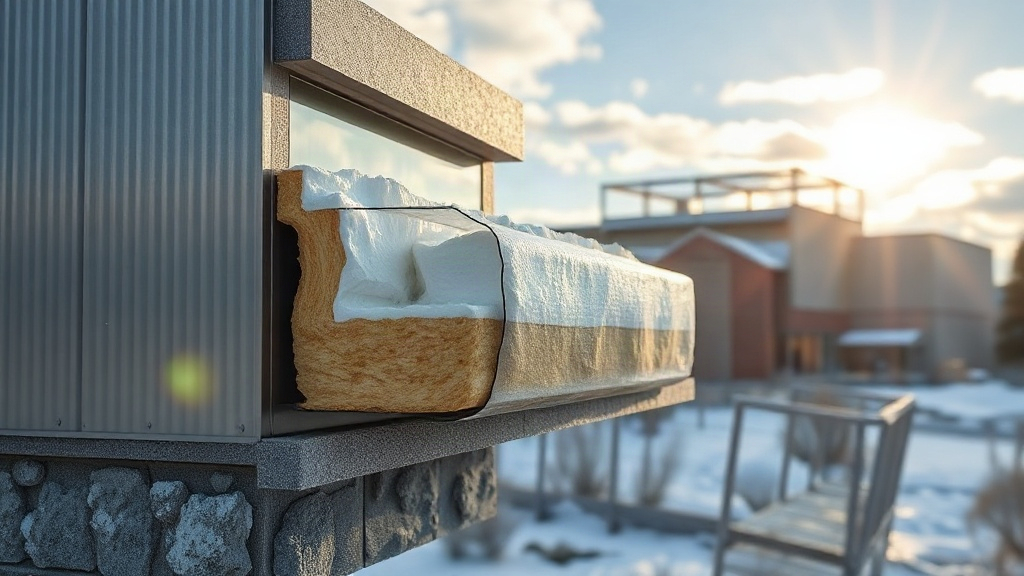
When you're building in Canada, you quickly learn that insulation isn't just a detail; it's the difference between a comfortable, energy-efficient structure and a money pit. Among the many options, EPS insulation has steadily gained ground, especially when paired with modern building systems like sandwich panels canada and insulated roof panels. But what makes EPS so well-suited to the Canadian climate? And how do you choose the right panel for your project? This guide dives into the practical side of EPS insulation, drawing on real-world experience from projects across provinces. Whether you're a contractor, architect, or a homeowner planning an addition, you'll find actionable advice to make informed decisions.
Why EPS Insulation Stands Out in Canadian Construction
Expanded polystyrene (EPS) is a rigid foam made from polystyrene beads expanded with steam. It's lightweight, inexpensive, and boasts a consistent R-value of about R-4 per inch. In a country where winter temperatures can plummet to -40°C, that consistency matters. Unlike some insulation materials that lose performance in cold, EPS maintains its thermal resistance well. Plus, it doesn't absorb water readily, so it won't degrade if exposed to moisture during construction. I've seen EPS used in everything from foundation walls to roof assemblies, and its versatility is a big part of its appeal.
Thermal Performance That Withstands the Cold
Canadian building codes are stringent about energy efficiency, and for good reason. Heating costs are high, and carbon footprints matter. EPS insulation helps meet those codes without breaking the bank. For instance, a 4-inch EPS panel delivers around R-16, which can be a game-changer for walls and roofs. In my experience, combining EPS with other materials, like in a sandwich panels canada system, creates a continuous insulation layer that minimizes thermal bridging. That's where the real savings come from.
Moisture Resistance and Durability
Moisture is the enemy of insulation. EPS has a closed-cell structure that resists water absorption, so it won't lose R-value when wet. It also doesn't support mold growth, which is a concern in humid areas like coastal British Columbia. I've inspected EPS panels that were exposed to the elements for months during a build, and they held up without issue. That durability translates to long-term performance and fewer callbacks.
Sandwich Panels in Canada: A Perfect Match for EPS
Sandwich panels consist of two rigid facings (often metal or oriented strand board) bonded to an insulating core. When that core is EPS, you get a composite that's strong, lightweight, and highly insulating. These panels are prefabricated in factories, which means consistent quality and faster on-site assembly. In Canada, where labor costs are high and weather windows are short, that speed is invaluable.
Benefits of EPS-Core Sandwich Panels
- Energy efficiency: EPS core provides high R-value per inch, reducing heating and cooling loads.
- Structural integrity: The bond between facings and core creates a strong, monolithic panel.
- Fast installation: Panels arrive ready to install, cutting construction time by up to 50% compared to traditional methods.
- Design flexibility: Available in various thicknesses and facings to suit different applications.
I recall a warehouse project in Alberta where the builder used EPS-core sandwich panels for the entire envelope. The building was up in weeks, and the owner reported a 30% reduction in heating costs compared to a similar building with fiberglass insulation. That's the kind of real-world impact EPS can deliver.
Applications Across Canadian Climates
From the damp chill of Newfoundland to the dry cold of the Prairies, EPS sandwich panels perform. They're used in cold storage facilities, agricultural buildings, commercial roofs, and even residential walls. Because EPS doesn't degrade in freeze-thaw cycles, it's particularly reliable in regions with wild temperature swings.
Insulated Roof Panels: The Smart Choice for Canadian Roofs
Roofs are where heat escapes fastest. Traditional roofing involves multiple layers: decking, insulation, membrane, and so on. Insulated roof panels streamline this by combining structure, insulation, and weatherproofing in one component. With an EPS core, these panels offer excellent thermal performance and are lightweight enough to reduce structural loads.
Why Choose EPS for Insulated Roof Panels?
EPS is cost-effective, moisture-resistant, and easy to work with. It doesn't off-gas like some foam insulations, and it's recyclable. For roof panels, EPS provides a stable R-value that won't sag or settle over time. I've seen roofs with EPS cores last decades with minimal maintenance.
Installation Tips for Canadian Roofs
- Plan for snow loads: Ensure panels are rated for your region's snow load requirements.
- Seal joints properly: Use appropriate tapes and sealants to prevent air leakage.
- Consider thermal bridging: Use panels with broken thermal bridges or add a continuous layer.
- Ventilation: While EPS panels are impermeable, proper attic ventilation is still crucial to prevent condensation.
A homeowner in Ontario recently replaced their old shingle roof with EPS insulated roof panels. Not only did they eliminate ice damming, but their energy bills dropped by 25%. That's the power of a well-insulated roof.
Comparing EPS to Other Insulation Materials
EPS isn't the only game in town. Polyurethane (PUR) and polyisocyanurate (PIR) offer higher R-values per inch (around R-6 to R-7), but they cost more. Extruded polystyrene (XPS) has similar R-value to EPS but is denser and more expensive. Mineral wool is fire-resistant but heavier and harder to cut. For most Canadian projects, EPS hits the sweet spot between performance and affordability. It's also widely available, which matters when supply chains are unpredictable.
Environmental Impact and Sustainability
EPS is 98% air, so it uses minimal raw material. It's also recyclable, and many manufacturers now offer EPS with recycled content. In Canada, some programs accept EPS for recycling, though availability varies. Compared to fiberglass, EPS production uses less energy and emits fewer greenhouse gases. For green building projects, EPS can contribute to LEED credits.
Frequently Asked Questions About EPS Insulation
What is the R-value of EPS insulation?
EPS typically has an R-value of about R-4 per inch. So a 2-inch panel provides roughly R-8, and a 4-inch panel about R-16. This makes it a solid choice for walls and roofs in Canadian climates.
Can EPS insulation be used in extreme cold?
Yes, EPS performs well in cold temperatures. Its thermal resistance remains stable, and it doesn't become brittle. Many Canadian projects in Yukon and Northwest Territories use EPS successfully.
How do sandwich panels with EPS compare to traditional stick-built walls?
Sandwich panels with EPS offer faster installation, better thermal performance due to reduced thermal bridging, and consistent quality. They can be more expensive upfront but save on labor and energy costs over time.
Are EPS insulated roof panels suitable for residential homes?
Absolutely. They are increasingly popular for residential roofs, especially in new builds and retrofits. They provide superior insulation and can be installed over existing structures in some cases.
Where can I buy EPS sandwich panels in Canada?
Many building suppliers across Canada carry EPS sandwich panels. It's best to source from a reputable manufacturer that specializes in cold-climate performance. Check for local distributors or contact us for recommendations.
EPS insulation is more than just a trend; it's a proven solution for Canadian construction. By choosing EPS-core sandwich panels and insulated roof panels, you're investing in energy efficiency, durability, and comfort. If you're planning a project, take the time to consult with experts and ensure your insulation strategy is tailored to your climate. Your building will thank you for years to come.