
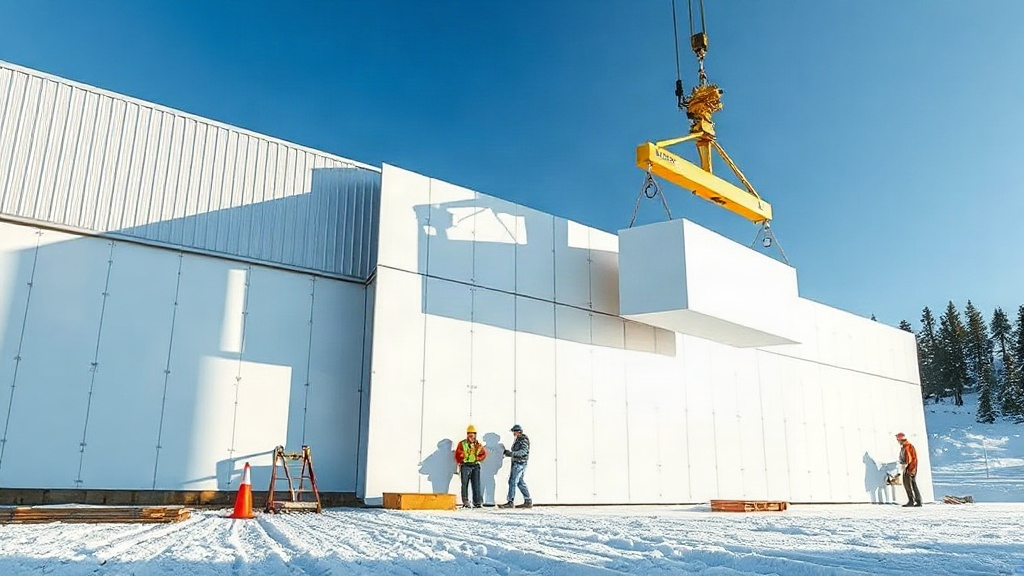
When you're constructing a warehouse in Edmonton or a cold storage facility in Winnipeg, the building envelope isn't just a detail. It's the difference between a structure that performs for decades and one that bleeds money through energy loss and repairs. That's why experienced contractors across the country keep coming back to Sandwich Panels Canada suppliers for reliable, high-performance enclosure solutions. These factory-engineered systems combine insulation and structural facing into a single component, cutting installation time while delivering thermal performance that stands up to Canadian winters.
What Exactly Are Sandwich Panels?
A sandwich panel consists of two rigid facings bonded to a insulating core. The facings are typically made from galvanized steel, though aluminum and other materials exist for specialized applications. The core can be polyurethane (PUR), polyisocyanurate (PIR), expanded polystyrene (EPS), or mineral wool. Each core type brings distinct advantages in terms of R-value, fire performance, and cost.
What makes these panels so effective is the composite action. The facings carry tensile and compressive stresses while the core resists shear and provides thermal separation. This synergy creates a lightweight yet incredibly strong building element that can span significant distances without additional structural support.
Why the Canadian Market Embraces This Technology
Canada's climate is unforgiving. Temperature swings of 40°C or more between summer and winter are common, and wind-driven rain and snow load requirements are among the toughest in the world. Traditional built-up walls with batt insulation often struggle with thermal bridging, air leakage, and moisture accumulation. Sandwich Panels Canada systems address these issues head-on because the insulation is continuous, the joints are designed for airtightness, and the factory-controlled manufacturing eliminates site variability.
Beyond performance, the speed of construction matters. Labor shortages and tight schedules push builders to find efficiencies. A crew can install hundreds of square meters of sandwich panels in a day, compared to the multiple trades and days required for traditional wall assemblies. That speed translates directly to cost savings and earlier occupancy for building owners.
Key Benefits for Canadian Construction Projects
- Superior thermal efficiency: High R-values per inch reduce heating and cooling loads, helping meet Canada's increasingly stringent energy codes.
- Fast installation: Panels arrive pre-cut and labeled, often with concealed fixing systems that speed up the process.
- Durability: Steel facings resist impact, moisture, and pests. With proper coatings, they withstand corrosion in coastal or industrial environments.
- Design flexibility: Available in various thicknesses, profiles, and colors to match architectural requirements.
- Fire performance: Mineral wool cores offer non-combustible solutions for buildings requiring higher fire ratings.
Choosing the Right Core Material
Your project's needs dictate the core. For cold storage, PIR or PUR panels provide excellent insulation with thin profiles. For schools or high-occupancy buildings, mineral wool is often specified for its fire resistance. EPS remains a cost-effective option for temperate applications where fire codes permit. Always verify local building codes and insurance requirements before specifying.
Installation Best Practices from the Field
Even the best panel can underperform if installed incorrectly. Here are lessons learned from Canadian job sites:
- Store panels properly: Keep them off the ground, covered, and away from moisture. Bent or wet panels lead to fit issues and premature failure.
- Check alignment constantly: Start from a true datum line. A small error at the base compounds as you go up.
- Seal joints meticulously: Use manufacturer-approved sealants and tapes. Air leakage is the enemy of thermal performance.
- Allow for thermal movement: Panels expand and contract. Follow fixing details to avoid buckling or stress on fasteners.
- Inspect after installation: Look for damaged coatings or incomplete seals and address them immediately.
Common Mistakes to Avoid
One frequent error is mixing panels from different manufacturers. Tolerances and profiles may not match, leading to gaps and structural concerns. Another is ignoring the direction of prevailing winds when orienting panels; this can affect rain penetration resistance. Finally, don't underestimate the importance of proper flashing at openings and transitions. Water finds a way in, and once it's behind the panel, problems multiply.
Cost Considerations and Long-Term Value
Upfront, sandwich panels may appear more expensive than some traditional systems. However, when you factor in reduced labor, faster schedule, lower energy bills, and minimal maintenance, the total cost of ownership often favors panels. Many Canadian builders report payback periods of just a few years through energy savings alone.
Financing and incentives can further improve the economics. Programs like the Canada Greener Homes Grant (for residential) and various provincial commercial energy rebates may apply. Consult with your supplier or energy advisor to explore available options.
Frequently Asked Questions About Sandwich Panels Canada
How do sandwich panels perform in extreme cold?
They excel. The continuous insulation and airtight joints prevent cold bridging and drafts. With proper thickness, you can achieve R-values that keep interior surfaces warm and comfortable, even at -40°C. Just ensure you select a core material rated for low temperatures and that sealants remain flexible in cold conditions.
Can sandwich panels be used for both walls and roofs?
Yes. Wall panels and roof panels share the same basic composition but differ in profile and load-bearing capacity. Roof panels typically have deeper ribs and are engineered for snow and wind loads. Always specify panels designed for the intended application.
What is the typical lead time for sandwich panels in Canada?
Lead times vary by manufacturer and panel type. Standard colors and thicknesses might ship in 4-6 weeks, while custom orders can take 8-10 weeks or more. Plan ahead, especially during peak construction season. Some suppliers offer expedited options for urgent projects.
Are sandwich panels environmentally friendly?
They can be. Steel facings are highly recyclable, and some cores now incorporate recycled content or bio-based materials. The energy efficiency they provide also reduces operational carbon. Look for panels with Environmental Product Declarations (EPDs) to compare environmental impacts.
How do I maintain sandwich panels?
Maintenance is minimal. Inspect annually for damage, clean with mild soap and water, and touch up scratches to prevent corrosion. Check sealants and replace if degraded. With basic care, panels can last 30 years or more.
Final Thoughts
For Canadian builders, Sandwich Panels Canada offer a compelling combination of performance, speed, and durability. Whether you're upgrading an existing facility or breaking ground on a new one, these systems deserve a close look. Work with reputable suppliers, follow installation guidelines, and you'll have an envelope that serves your building well for decades.