
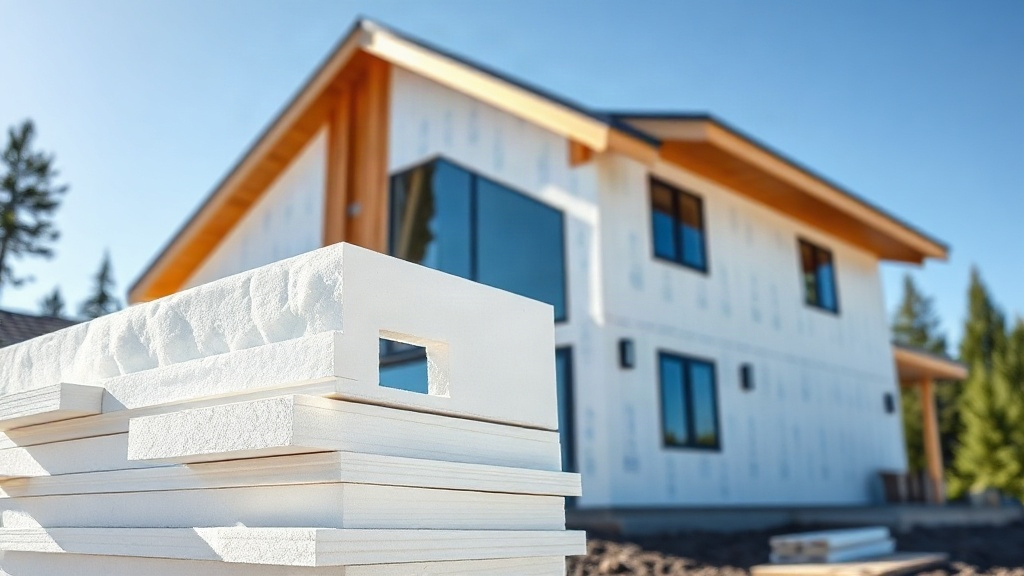
When it comes to insulating your home or commercial building, choosing the right material can make a significant difference in energy efficiency, comfort, and long-term savings. Among the many options available, EPS insulation has emerged as a popular and reliable choice for builders, architects, and homeowners alike. Its unique combination of performance, affordability, and versatility has made it a staple in modern construction projects across Canada and beyond.
What is EPS Insulation?
EPS insulation, or Expanded Polystyrene insulation, is a lightweight, rigid foam material made from polystyrene beads that are expanded using steam and then molded into various shapes and sizes. The result is a material that is approximately 98% air, making it an excellent insulator due to its low thermal conductivity. Unlike some other insulation types, EPS does not use ozone-depleting chemicals in its manufacturing, and it is fully recyclable, which adds to its environmental appeal.
EPS insulation is commonly used in walls, roofs, and floors. It is also a key component in structural insulated panels (SIPs) and sandwich panels Canada manufacturers produce for energy-efficient building envelopes. Its closed-cell structure gives it resistance to moisture, and it maintains its insulating properties over time, unlike some fibrous materials that can settle or absorb water.
Why Choose EPS Insulation?
There are several compelling reasons why EPS insulation stands out among insulation materials. Let's explore the key benefits that make it a smart choice for your next project.
1. Superior Thermal Performance
The primary function of any insulation is to resist heat flow, and EPS excels at this. Its R-value per inch is consistent and predictable, typically around R-4 per inch. This means that a relatively thin layer of EPS can provide significant thermal resistance, helping to keep buildings warm in winter and cool in summer. When used in insulated roof panels, EPS helps maintain a stable indoor temperature, reducing the load on heating and cooling systems.
2. Moisture Resistance
Moisture is a major enemy of insulation effectiveness. EPS insulation has a closed-cell structure that resists water absorption, so it doesn't lose its insulating value even in damp conditions. This makes it ideal for use in basements, foundations, and exterior walls where moisture can be a concern. In contrast, fiberglass and mineral wool can absorb water and lose performance if not properly protected.
3. Durability and Longevity
EPS insulation is built to last. It doesn't degrade over time, and it resists mold, mildew, and rot. It also stands up well to the freeze-thaw cycles common in Canadian climates. When installed correctly, EPS insulation can perform effectively for the lifetime of the building, providing reliable energy savings year after year.
4. Cost-Effectiveness
Compared to other insulation materials like polyurethane or extruded polystyrene (XPS), EPS is generally more affordable while still offering excellent performance. The cost savings extend beyond the initial purchase: because EPS is lightweight and easy to cut and install, labor costs are often lower. Its energy efficiency also translates to lower utility bills for building occupants.
5. Environmental Benefits
EPS is an environmentally responsible choice. It is made from a material that can be recycled, and many manufacturers recycle EPS scraps into new products. It does not contain CFCs or HCFCs, which are harmful to the ozone layer. Additionally, its energy-saving properties reduce the carbon footprint of buildings over time, contributing to greener construction practices.
Applications of EPS Insulation
EPS insulation is incredibly versatile and can be used in a wide range of applications. Here are some of the most common uses:
- Exterior Walls: EPS rigid foam boards are often used as continuous insulation on exterior walls, reducing thermal bridging and improving overall wall performance.
- Roofs: EPS is a popular choice for flat and low-slope roofs. It is also used in insulated roof panels for both residential and commercial buildings, providing a seamless layer of insulation above the deck.
- Floors and Foundations: EPS insulation under concrete slabs and around foundations helps prevent heat loss and moisture migration.
- Sandwich Panels: EPS is frequently used as the core material in sandwich panels Canada companies manufacture for walls and roofs. These panels offer excellent insulation and are quick to install.
- Cold Storage: EPS is ideal for cold storage facilities due to its moisture resistance and thermal efficiency.
Whether you're building a new home, renovating an existing one, or constructing a commercial facility, EPS insulation can be tailored to meet your specific needs.
EPS vs. Other Insulation Materials
To better understand the value of EPS insulation, it's helpful to compare it with other common insulation materials.
EPS vs. XPS (Extruded Polystyrene)
XPS has a slightly higher R-value per inch and better moisture resistance, but it is more expensive and has a higher environmental impact due to its manufacturing process. EPS is a more budget-friendly option with comparable performance in many applications.
EPS vs. Polyurethane (PUR/PIR)
Polyurethane and polyisocyanurate foams offer higher R-values per inch, making them suitable for space-constrained applications. However, they are significantly more expensive than EPS. For projects where space is not at a premium, EPS provides a cost-effective alternative with excellent thermal performance.
EPS vs. Fiberglass
Fiberglass is cheaper upfront but can be less effective if not installed perfectly, and it can absorb moisture, reducing its R-value. EPS is more durable and moisture-resistant, making it a better choice for below-grade and exterior applications.
Installation Tips for EPS Insulation
Proper installation is key to maximizing the benefits of EPS insulation. Here are some best practices:
- Ensure a tight fit: Cut EPS boards to fit snugly between framing members or over sheathing. Gaps can reduce effectiveness.
- Use appropriate fasteners: Use cap nails or screws with washers to secure EPS boards without damaging them.
- Seal joints: Use tape or foam sealant to seal joints between boards to prevent air leakage.
- Protect from UV exposure: EPS can degrade with prolonged UV exposure, so cover it with siding, roofing, or a protective coating.
- Follow local codes: Check with local building codes for specific requirements regarding insulation thickness and fire safety.
If you're using EPS in sandwich panels Canada or insulated roof panels, follow the manufacturer's installation guidelines for best results.
Frequently Asked Questions about EPS Insulation
Is EPS insulation safe for health?
Yes, EPS insulation is considered safe when installed properly. It is inert and does not emit harmful gases. However, like all building materials, it should be handled with care during installation to avoid inhaling dust particles.
Can EPS insulation be used in high-moisture areas?
EPS has good moisture resistance, but in areas with constant moisture, it's best to use it in conjunction with a waterproofing membrane. It is often used in foundations and below-grade applications where moisture is present.
How long does EPS insulation last?
EPS insulation can last for the lifetime of the building. It does not degrade or lose its R-value over time when properly installed and protected from UV exposure.
Is EPS insulation flammable?
EPS is combustible and should be protected by a thermal barrier, such as drywall, in interior applications. Many EPS products are treated with flame retardants to meet building code requirements. Always follow local fire safety regulations.
What is the R-value of EPS insulation?
The R-value of EPS insulation typically ranges from R-3.6 to R-4.2 per inch, depending on density. This makes it an efficient insulator for a variety of applications.
Conclusion
EPS insulation offers a winning combination of thermal performance, moisture resistance, durability, and affordability. Its versatility makes it suitable for walls, roofs, floors, and sandwich panels Canada and insulated roof panels applications. By choosing EPS insulation, you can enhance energy efficiency, reduce utility costs, and contribute to a more sustainable built environment. Whether you're a builder, architect, or homeowner, EPS insulation is a smart choice for your next project.