
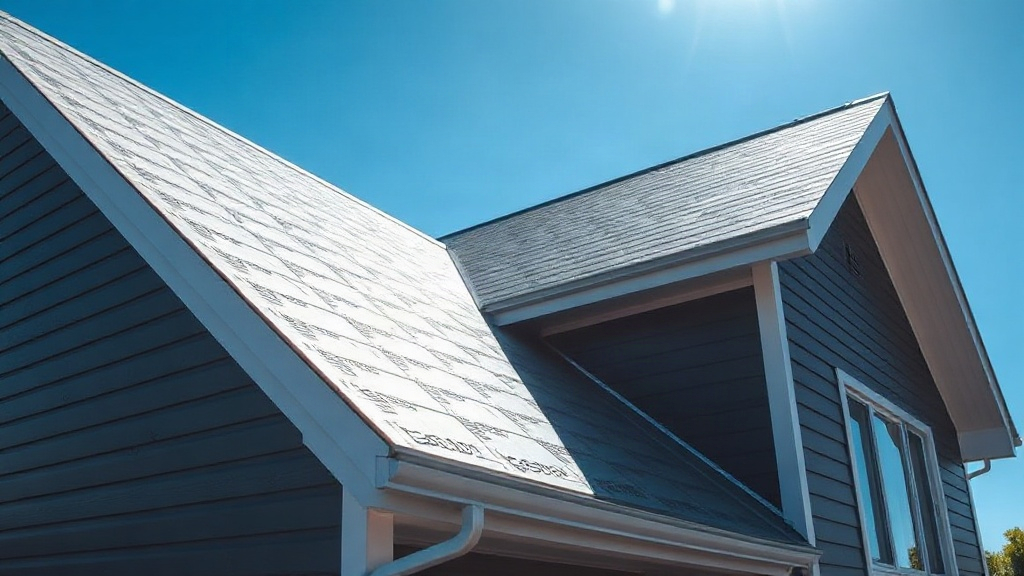
When you think about home insulation, the attic often comes to mind first. But there's a growing solution that tackles both insulation and roofing in one go: insulated roof panels. These engineered systems are gaining traction among homeowners who want to cut energy costs, improve indoor comfort, and add lasting value to their properties. In this guide, we'll explore what insulated roof panels are, how they work, and what you need to know before making an investment.
What Are Insulated Roof Panels?
Insulated roof panels, also known as insulated roofing panels or sandwich panels, are structural components that combine a rigid insulation core with exterior and interior facings. The core is typically made of polyurethane (PUR), polyisocyanurate (PIR), expanded polystyrene (EPS), or mineral wool. The facings can be metal, wood, or other materials, depending on the application. These panels are prefabricated in controlled factory conditions, ensuring consistent thickness and insulation performance.
Unlike traditional roofing where insulation is added separately, these panels serve as both the roof deck and the insulation layer. They are commonly used in residential, commercial, and industrial buildings, and can be installed over existing roofs or as part of new construction.
How Insulated Roof Panels Work
The magic of insulated roof panels lies in their ability to minimize thermal bridging and provide a continuous layer of insulation. Traditional roofs often have gaps and thermal bridges where heat can escape. Insulated panels eliminate these issues by covering the entire roof area with a seamless insulating barrier.
The insulation core slows down heat transfer. In winter, it keeps warmth inside; in summer, it blocks heat from entering. The reflective facings on some panels also help by reflecting radiant heat away from the building. This dual-action makes them highly effective in diverse climates.
Types of Insulation Cores
- Polyurethane (PUR): High R-value per inch, excellent for space-constrained projects.
- Polyisocyanurate (PIR): Similar to PUR but with enhanced fire performance.
- Expanded Polystyrene (EPS): Cost-effective, good insulation, and moisture-resistant.
- Mineral Wool: Non-combustible, excellent sound absorption, and fire resistance.
Benefits of Insulated Roof Panels
Switching to insulated roof panels offers a range of benefits that go beyond energy savings.
Energy Efficiency
These panels can significantly reduce your heating and cooling costs. By maintaining a consistent indoor temperature, your HVAC system doesn't have to work as hard. Many homeowners report savings of 20-30% on energy bills after installation.
Enhanced Comfort
With better insulation, you'll notice fewer drafts and a more stable indoor climate. Rooms under the roof, like attics or upper-floor bedrooms, become usable year-round.
Durability and Weather Resistance
Insulated panels are engineered to withstand harsh weather, including high winds, hail, and heavy snow. They are also resistant to moisture and mold, which can extend the life of your roof.
Environmental Impact
By reducing energy consumption, you lower your carbon footprint. Some panels are made with recycled materials and are fully recyclable at the end of their life.
Increased Property Value
Energy-efficient homes are attractive to buyers. Installing insulated roof panels can increase your home's resale value and marketability.
Cost of Insulated Roof Panels
The cost of insulated roof panels varies based on factors like panel thickness, core material, size, and installation complexity. On average, you can expect to pay $8 to $15 per square foot for materials, plus labor if you hire a professional. While the upfront cost may be higher than traditional roofing, the long-term energy savings and durability often justify the investment.
It's essential to get multiple quotes and consider the R-value you need for your climate. Higher R-values mean better insulation but come at a higher price.
Installation Process
Installing insulated roof panels is a job best left to experienced professionals. The process typically involves:
- Assessing the existing roof structure and determining if it can support the panels.
- Measuring and ordering custom-sized panels.
- Removing old roofing material if necessary.
- Installing a moisture barrier and flashing.
- Lifting and securing the panels to the roof deck.
- Sealing joints and adding trim for a finished look.
Proper installation is critical to ensure the panels perform as intended and to avoid issues like leaks or condensation.
Choosing the Right Panels for Your Home
When selecting insulated roof panels, consider your climate, budget, and aesthetic preferences. In colder regions, opt for panels with higher R-values. In areas prone to wildfires, mineral wool cores offer superior fire resistance. Also, check local building codes and obtain necessary permits.
Consult with a roofing contractor who specializes in insulated panels. They can help you choose the best option for your home and ensure proper installation.
Frequently Asked Questions
How long do insulated roof panels last?
With proper installation and maintenance, insulated roof panels can last 30 to 50 years or more. The metal facings are often warrantied for 20-30 years, while the insulation core retains its performance indefinitely if kept dry.
Can insulated roof panels be installed over an existing roof?
Yes, in many cases, they can be installed directly over an existing roof, saving time and disposal costs. However, a structural assessment is needed to ensure the existing roof can handle the added weight.
Do insulated roof panels require maintenance?
They are low-maintenance. Periodic inspections for damage, cleaning of gutters, and checking sealants are usually sufficient. Unlike traditional roofs, they don't need re-shingling or re-tarring.
Are insulated roof panels environmentally friendly?
They improve energy efficiency, reducing greenhouse gas emissions. Many panels are made with recycled content and are recyclable. However, the production of some foam cores involves chemicals, so it's a trade-off.
What is the R-value of insulated roof panels?
R-values vary by core material and thickness. Polyurethane panels can achieve R-values of 6 to 7 per inch, while EPS offers around 4 per inch. Typical panels range from R-15 to R-40.
Final Thoughts
Insulated roof panels are a smart investment for homeowners looking to enhance energy efficiency, comfort, and property value. While the initial cost may be higher, the long-term savings and benefits make them a worthwhile consideration. If you're planning a roof replacement or new construction, talk to a professional about whether insulated roof panels are right for you.