
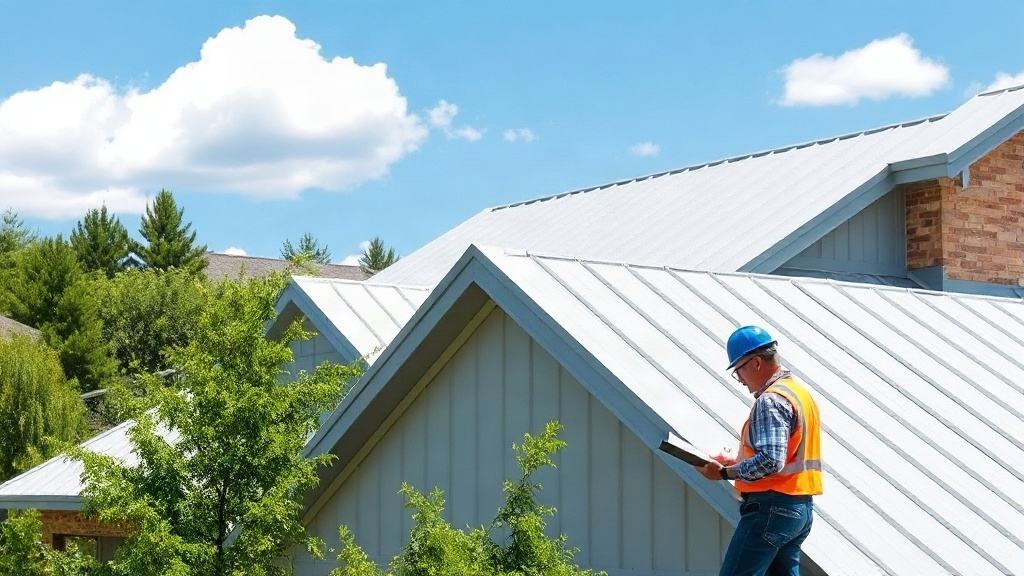
When I first started building homes in the Pacific Northwest, I quickly learned that a roof is more than just a cover. It's a critical component of the building envelope, and its insulation can make or break your energy bills. That's why I've become a strong advocate for Insulated Roof Panels. These panels, also known as insulated sandwich panels, combine structural integrity with thermal performance in a way that traditional roofing simply can't match. In this guide, I'll share my hands-on experience and practical advice to help you decide if they're right for your project.
What Are Insulated Roof Panels?
At their core, Insulated Roof Panels are composite building materials made of an insulating foam core sandwiched between two rigid skins, typically metal, but sometimes plywood or other materials. The foam core is usually polyurethane, polyisocyanurate, or expanded polystyrene (EPS). The skins provide structural strength and a weather-resistant surface, while the core delivers high R-value insulation. This combination allows for rapid installation and superior thermal performance compared to traditional roofing systems that require separate insulation and weatherproofing layers.
From my experience, the most common types used in residential and commercial roofs are:
- Polyurethane panels: Highest R-value per inch, often used in coolers and commercial buildings.
- Polyisocyanurate panels: Excellent fire performance, common in commercial roofing.
- EPS panels: Cost-effective, lightweight, and good for residential applications where budget is a concern.
Each type has its place, and the choice depends on your climate, budget, and building codes. I've used EPS panels on several projects because they offer a great balance of cost and performance, especially in milder climates.
Why Choose Insulated Roof Panels Over Traditional Insulation?
Traditional roofing typically involves installing rafters, sheathing, underlayment, and then insulation between or under the rafters, followed by a finished roof surface. This multi-step process is labor-intensive and prone to gaps and thermal bridging. Insulated Roof Panels eliminate these issues by providing a continuous layer of insulation with no gaps. The result is a more effective thermal barrier.
Here are the key benefits I've observed:
- Energy efficiency: The continuous insulation reduces heat transfer, lowering heating and cooling costs by up to 30% in some cases.
- Faster installation: Panels come in large sheets and can be installed quickly, reducing labor costs and project timelines.
- Durability: The metal skins are resistant to moisture, pests, and rot, leading to a longer lifespan.
- Design flexibility: Panels can be used on flat or pitched roofs and are available in various colors and profiles.
On a recent project, a client was skeptical about the upfront cost. After installing Insulated Roof Panels, their energy bills dropped by 25% in the first year, and they noticed a significant reduction in noise from rain and traffic. That's the kind of tangible benefit that wins over even the most budget-conscious clients.
How to Choose the Right Insulated Roof Panels
Selecting the right panels involves several factors. I always start by assessing the climate and building codes. In colder regions, you'll want a higher R-value, typically R-30 or more. In milder areas, R-15 to R-20 might suffice. The thickness of the panel determines the R-value; for example, a 4-inch polyurethane panel can achieve around R-26, while an 8-inch panel can reach R-50.
Next, consider the material of the skins. Galvanized steel is standard, but for coastal areas, you might need aluminum or stainless steel to resist corrosion. Also, check the fire rating; polyisocyanurate panels often have better fire performance than EPS.
Finally, think about the installation method. Some panels are designed for exposed fastening, where screws go through the panel into the purlins. Others use concealed clips for a cleaner look. I prefer concealed clips for architectural roofs, but exposed fasteners are fine for industrial buildings.
Key Specifications to Compare
- R-value: Higher is better for energy savings.
- Thickness: Determines R-value and structural capacity.
- Skin material: Steel, aluminum, or other.
- Core material: Polyurethane, polyisocyanurate, or EPS.
- Fire rating: Class A, B, or C.
- Warranty: Look for at least 20 years.
Installation Tips from the Field
Installing Insulated Roof Panels is not rocket science, but it does require attention to detail. Here are some lessons I've learned the hard way:
- Plan the layout: Start from the eave and work upward, ensuring panels are square and aligned. A laser level is your best friend.
- Handle with care: The metal skins can dent easily. Use proper lifting equipment and avoid dragging panels.
- Seal joints: Use butyl tape or silicone sealant at overlaps to prevent water infiltration. I've seen leaks from poorly sealed joints ruin an otherwise good installation.
- Fasten correctly: Use screws with neoprene washers and drive them straight, not at an angle. Over-tightening can crush the insulation and reduce R-value.
- Allow for expansion: Metal expands and contracts with temperature changes. Leave a small gap at the ends and use closure strips.
One common mistake is not accounting for thermal expansion. On a sunny day, a 20-foot panel can expand by a quarter inch. If you fasten it too rigidly, it will buckle. I always use oversized holes or slotted clips to allow movement.
Cost vs. Value: Are Insulated Roof Panels Worth It?
There's no denying that Insulated Roof Panels have a higher upfront cost than traditional roofing. A typical installation might run $8 to $12 per square foot, compared to $4 to $8 for asphalt shingles with insulation. However, when you factor in energy savings, reduced labor, and longevity, the payback period can be as short as 5 to 7 years.
Let's do a quick calculation. For a 2,000 sq ft roof, the extra cost might be $8,000. If you save $1,200 per year on energy bills, that's a 6.7-year payback. Plus, you'll likely avoid roof repairs for decades. In my view, it's a no-brainer for new construction and major renovations.
Also, consider incentives. Many utilities and governments offer rebates for energy-efficient upgrades. I've helped clients secure tax credits that covered up to 30% of the material cost. Definitely worth looking into.
Common Mistakes to Avoid
Even with the best intentions, mistakes happen. Here are pitfalls I've encountered:
- Using the wrong fasteners: Not all screws are created equal. Use ones specifically designed for insulated panels to avoid compression.
- Ignoring ventilation: While panels provide insulation, attics still need proper ventilation to prevent moisture buildup.
- Skipping structural checks: Panels add weight; ensure your framing can handle it.
- Poor flashing details: Flashing at valleys, ridges, and penetrations must be done correctly to prevent leaks.
I once inspected a roof where the installer didn't use closure strips at the eaves, allowing birds to nest in the panels. It was a mess. Don't cut corners.
Frequently Asked Questions
Can insulated roof panels be installed over existing shingles?
In some cases, yes, but it's not always recommended. You'll need to ensure the existing roof is structurally sound and flat. Often, it's better to remove the old roofing to inspect for damage and ensure proper installation. I've done overlays on flat roofs, but for pitched roofs, removal is usually the way to go.
How do insulated roof panels perform in extreme heat or cold?
They excel in both. The insulation reduces heat transfer, keeping your home cooler in summer and warmer in winter. In extreme cold, the panels prevent heat loss and minimize condensation. I've installed them in areas with -20°F winters and 110°F summers, and they held up beautifully.
What is the lifespan of insulated roof panels?
With proper installation and maintenance, you can expect 30 to 50 years. The metal skins are durable, and the foam core doesn't degrade easily. Some manufacturers offer 20-year warranties, but the actual lifespan often exceeds that.
Do insulated roof panels require maintenance?
Minimal maintenance is needed. Inspect annually for loose fasteners, damaged seals, or debris. Clean with mild soap and water. Unlike shingles, they don't grow moss or need replacement every 15 years.
Are insulated roof panels environmentally friendly?
They can be. The insulation reduces energy consumption, lowering carbon footprint. Many panels use recycled content and are recyclable at the end of their life. However, the foam core is often petroleum-based, so it's not perfect. Still, the energy savings over the lifetime typically outweigh the environmental cost.
Final Thoughts
After years of building and renovating, I'm convinced that Insulated Roof Panels are one of the smartest investments you can make for your building. They offer superior energy efficiency, durability, and comfort. While the upfront cost is higher, the long-term savings and performance make them a worthwhile choice. Whether you're building a new home or upgrading an existing roof, give them serious consideration. Your wallet and the planet will thank you.