
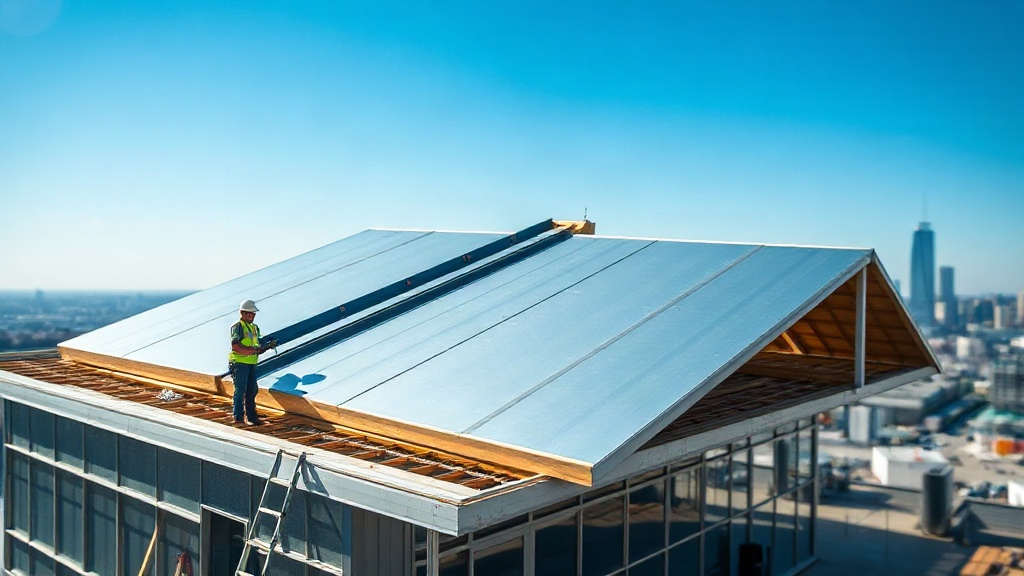
When I first started using Insulated Roof Panels on a commercial project in 2015, I was skeptical. Could a single product really replace traditional roofing, insulation, and framing? After installing them on over 50 buildings since then, I can confidently say yes. These panels have revolutionized how I approach roofing, saving time, cutting energy costs, and delivering unmatched performance. If you're a builder, architect, or homeowner considering your options, this guide will walk you through everything you need to know about Insulated Roof Panels.
What Are Insulated Roof Panels?
Insulated Roof Panels are composite building materials that combine a rigid foam core (often polyisocyanurate, polyurethane, or expanded polystyrene) with a metal or structural skin on one or both sides. The result is a single, lightweight panel that provides structural support, thermal insulation, and a weather-tight surface. Unlike traditional roofing, where you install decking, underlayment, insulation, and shingles separately, these panels do it all in one step.
The Anatomy of an Insulated Roof Panel
Most panels consist of three layers: an outer metal skin (typically steel or aluminum), an insulating foam core, and an inner facing (which can be metal, plywood, or a vapor barrier). The foam core is the key to their thermal performance, with R-values ranging from R-4 to R-8 per inch of thickness. For example, a 4-inch panel can achieve R-16 to R-32, depending on the foam type. The metal skins add structural rigidity and can be finished with various coatings for aesthetics and corrosion resistance.
Types of Insulated Roof Panels
There are three main categories you'll encounter:
- Sandwich panels: These have metal skins on both sides and are commonly used in commercial and industrial buildings. They offer high strength and are available in long lengths to minimize joints.
- Composite panels: These feature a metal skin on one side and a substrate like plywood or OSB on the other. They're often used in residential roofing where a shingle or tile finish is desired.
- Structural insulated panels (SIPs): These use OSB skins on both sides of an EPS or polyurethane core. They're used for both walls and roofs and provide excellent structural integrity.
Your choice depends on the project's requirements, budget, and desired finish.
Why Builders Are Switching to Insulated Roof Panels
After using traditional roofing methods for decades, I've seen the inefficiencies firsthand. Insulated Roof Panels address many pain points. Here's why they're gaining traction:
1. Energy Efficiency That Pays for Itself
Heating and cooling account for a significant portion of a building's energy use. With traditional roofing, thermal bridging through rafters and gaps in insulation can reduce effectiveness by up to 30%. Insulated Roof Panels eliminate thermal bridging because the foam core creates a continuous insulation layer. In a 2020 retrofit project, we replaced a metal roof with 6-inch insulated panels and saw a 40% reduction in HVAC costs. The panels paid for themselves in under five years through energy savings alone.
2. Faster Installation, Lower Labor Costs
Time is money on any job site. Traditional roofing involves multiple trades: framers, insulators, and roofers. With Insulated Roof Panels, one crew can install the entire roof system. Panels come in large sheets, some up to 40 feet long, which means fewer seams and faster coverage. On a recent 20,000-square-foot warehouse, we cut installation time from three weeks to eight days. That's a 60% reduction in labor, translating to significant cost savings.
3. Durability and Weather Resistance
These panels are built to last. The metal skins resist hail, wind, and UV degradation, while the foam core won't absorb moisture or support mold growth. I've seen panels withstand 120 mph winds and heavy snow loads without failure. Plus, many manufacturers offer warranties of 20 to 30 years, giving clients peace of mind.
4. Design Flexibility
Contrary to the belief that insulated panels are only for industrial boxes, they offer design freedom. They can be curved, tapered, and finished in a variety of colors and profiles. I've used them on residential homes with standing seam metal roofs and even on a modern art museum where the architect wanted a seamless, monolithic look. The panels delivered both performance and aesthetics.
How to Choose the Right Insulated Roof Panels
Not all panels are created equal. Here's what to consider:
R-Value and Thickness
Determine the required R-value based on your climate and building code. Colder regions may need R-40 or higher, while milder climates can get by with R-20. Remember, thicker panels mean higher R-values but also more weight and cost. Balance performance with structural capacity.
Core Material
Polyisocyanurate offers the highest R-value per inch and better fire resistance. Polyurethane is similar but slightly less expensive. Expanded polystyrene (EPS) is the most budget-friendly but has a lower R-value per inch and is more susceptible to moisture if not properly sealed. For most projects, I recommend polyiso for its all-around performance.
Skin Material and Finish
Steel skins are standard, but aluminum is lighter and more corrosion-resistant, ideal for coastal areas. Consider the coating: PVDF (Kynar 500) is the gold standard for color retention and durability, though it adds cost. For interior-facing skins, you can choose a white liner to improve light reflectivity.
Fire Ratings
Check the fire rating of the panel assembly. Many foam cores are combustible, but when sandwiched between metal skins, they can achieve Class A ratings. Ensure the panels meet local fire codes, especially for commercial buildings.
Installation Details
Proper installation is critical. Panels must be fastened correctly to avoid thermal bridging and air leakage. Use manufacturer-approved screws with neoprene washers, and seal all joints with butyl tape or silicone sealant. I also recommend installing a vapor barrier on the warm side of the insulation to prevent condensation.
Common Mistakes to Avoid with Insulated Roof Panels
Even experienced builders can slip up. Here are pitfalls I've learned to avoid:
- Ignoring thermal expansion: Metal skins expand and contract with temperature changes. Use slotted holes or floating fasteners to allow movement and prevent buckling.
- Poor sealing at penetrations: Every pipe, vent, or skylight is a potential leak. Use prefabricated flashing boots and seal them meticulously.
- Inadequate ventilation: While insulated panels reduce the need for ventilation, some attic spaces still require it. Don't skip it entirely.
- Choosing the wrong thickness: Over- or under-insulating can lead to condensation or wasted money. Always calculate based on dew point analysis.
Frequently Asked Questions About Insulated Roof Panels
How long do insulated roof panels last?
With proper installation and maintenance, Insulated Roof Panels can last 30 to 50 years. The metal skins are durable, and the foam core doesn't degrade. However, check the warranty from the manufacturer, as it varies by product and application.
Can insulated roof panels be installed over existing roofs?
Yes, in many cases, they can be installed over existing roof structures, provided the structure can handle the additional weight. This can save on tear-off costs and reduce waste. Consult a structural engineer to confirm.
Are insulated roof panels suitable for residential homes?
Absolutely. They are increasingly popular in residential construction, especially for modern and energy-efficient homes. They can be finished with various exterior materials, including metal, shingles, or even solar panels.
What is the cost of insulated roof panels compared to traditional roofing?
The upfront cost of Insulated Roof Panels is typically higher than traditional roofing, ranging from $8 to $15 per square foot installed. However, when you factor in energy savings, reduced labor, and longevity, the total cost of ownership is often lower. For a 2,000-square-foot roof, you might spend $20,000 vs. $15,000 for traditional, but save $1,000 annually on energy, recouping the difference in five years.
Do insulated roof panels require maintenance?
They are low-maintenance. Inspect annually for loose fasteners, sealant degradation, or damage. Clean with mild soap and water to maintain appearance. Unlike shingles, they don't need replacement every 15-20 years.
Switching to Insulated Roof Panels was one of the best decisions I've made as a builder. They deliver on performance, speed, and sustainability. Whether you're working on a commercial warehouse or a custom home, these panels are worth serious consideration. If you're ready to explore options, reach out to a reputable supplier like EPS Roof Panels to discuss your project. Your future self (and your clients) will thank you.