
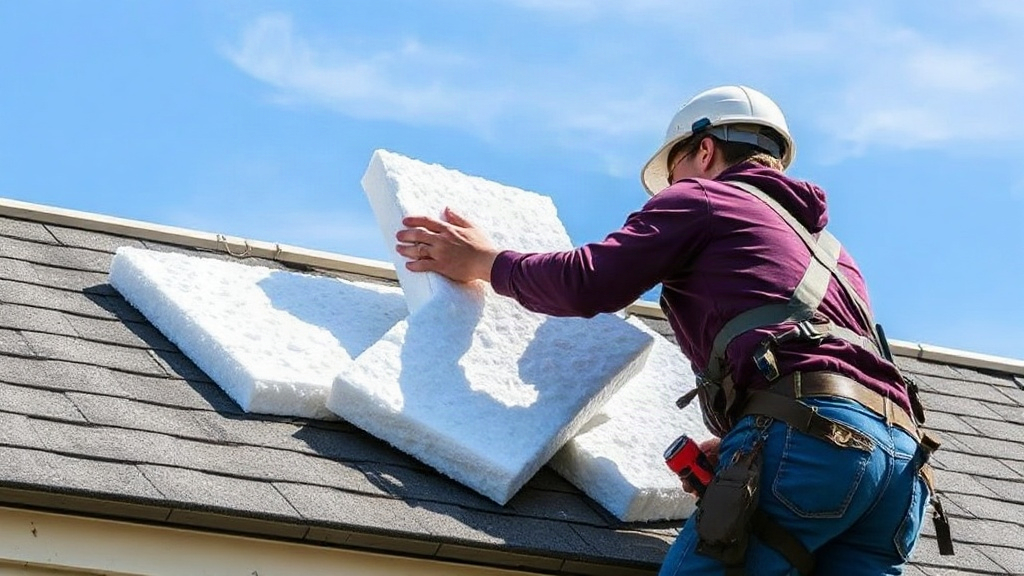
When it comes to insulating your roof, the options can be overwhelming. Fiberglass, spray foam, cellulose, and rigid boards all promise performance, but one material consistently stands out for its balance of cost, efficiency, and versatility: EPS insulation. Expanded polystyrene (EPS) has been used in construction for decades, yet many homeowners and builders still overlook its specific advantages for roofing applications. If you're planning a roof upgrade or building a new home, understanding EPS insulation could save you money and headaches for years to come.
What Makes EPS Insulation Different?
EPS is a rigid foam made from polystyrene beads expanded with steam and molded into blocks or panels. Unlike extruded polystyrene (XPS) or polyisocyanurate, EPS contains no ozone-depleting blowing agents and can be recycled in many areas. Its closed-cell structure gives it excellent moisture resistance, and its density can be tailored for different load-bearing needs. For roofs, this means you get a lightweight, strong, and thermally efficient material that won't sag or degrade over time.
Thermal Performance That Lasts
The R-value of EPS insulation ranges from about R-3.6 to R-4.2 per inch, depending on density. While some materials have a higher initial R-value, EPS maintains its performance better in cold and damp conditions. Unlike polyiso, which loses R-value at low temperatures, EPS remains stable. This reliability is crucial for roofs, where temperature swings are extreme.
Moisture Resistance
Water is a roof's worst enemy. EPS insulation absorbs very little water, and its closed-cell structure prevents wicking. When installed with proper flashing and drainage, EPS helps keep the roof deck dry, preventing mold and rot. This is especially important in humid climates or areas with heavy snowfall.
Why Choose EPS Insulation for Your Roof?
Roofs are unique because they face the brunt of weather, from UV radiation to hail. EPS insulation offers several specific benefits for roofing projects.
Energy Efficiency and Cost Savings
A well-insulated roof can reduce heating and cooling costs by up to 20%. EPS insulation creates a continuous thermal barrier, minimizing thermal bridging through rafters. This means your HVAC system works less, and your energy bills drop. Over the lifespan of a roof, the savings can easily offset the initial investment.
Lightweight and Easy to Install
EPS panels are lightweight, often weighing less than 2 pounds per cubic foot. This makes them easy to handle and install, reducing labor costs and structural load. They can be cut to fit around vents, chimneys, and skylights with a simple saw, speeding up the installation process.
Durability and Longevity
EPS insulation doesn't rot, mildew, or corrode. It's also resistant to insects and vermin. When properly protected from UV exposure (which can degrade the surface), EPS can last the life of the roof. Many manufacturers offer warranties of 20 years or more.
Environmental Benefits
EPS is recyclable and often contains recycled content. It produces no CFCs or HCFCs during manufacturing. Its lightweight nature also reduces transportation emissions. For eco-conscious builders, EPS insulation is a responsible choice.
How to Install EPS Insulation on a Roof
Proper installation is key to maximizing performance. Here's a step-by-step overview:
- Inspect the roof deck: Ensure it's clean, dry, and structurally sound. Repair any damage before installing insulation.
- Choose the right thickness: Calculate the desired R-value based on your climate zone and building codes. EPS typically comes in thicknesses from 1 to 4 inches.
- Install a vapor barrier: In cold climates, place a vapor retarder on the warm side of the insulation to prevent condensation.
- Lay the EPS panels: Start at the bottom edge and work upward, staggering joints. Use adhesive or mechanical fasteners as recommended.
- Seal gaps: Fill any gaps with expanding foam or tape to prevent air leakage.
- Add a protective layer: Cover EPS with a roof underlayment or membrane to protect it from UV and weather.
- Finish with roofing material: Install shingles, metal, or tiles according to manufacturer instructions.
For best results, hire a professional roofing contractor experienced with EPS insulation.
Common Mistakes to Avoid
Even with good intentions, some pitfalls can undermine your EPS insulation's performance.
- Leaving gaps: Air leaks reduce efficiency. Seal all seams and penetrations.
- Using the wrong thickness: Too little insulation won't meet code; too much may be cost-prohibitive. Calculate carefully.
- Skipping vapor control: Inappropriate vapor barriers can trap moisture, leading to mold.
- Exposing EPS to UV: Sunlight degrades EPS over time. Always cover it with a suitable roof covering.
- Ignoring local codes: Check building codes for insulation requirements and fire ratings.
Comparing EPS to Other Roof Insulation Materials
How does EPS stack up against alternatives?
- XPS: Higher R-value per inch but more expensive and less environmentally friendly due to blowing agents.
- Polyiso: Higher R-value initially but loses performance in cold; also more expensive.
- Spray foam: Excellent air sealing but costly and requires professional application.
- Fiberglass: Cheaper but lower R-value per inch and prone to moisture issues.
EPS offers a sweet spot of performance, cost, and sustainability.
Frequently Asked Questions About EPS Insulation
Is EPS insulation suitable for flat roofs?
Yes, EPS is commonly used on flat roofs, especially with a protective membrane. Its compressive strength can handle foot traffic during installation and maintenance.
Can EPS insulation be used in cold climates?
Absolutely. EPS maintains its R-value in cold temperatures better than some other materials. Just ensure proper vapor control to prevent condensation.
How long does EPS insulation last on a roof?
With proper installation and protection from UV, EPS can last 50 years or more, often outlasting the roofing membrane itself.
Does EPS insulation require a fire barrier?
Building codes typically require a thermal barrier (like drywall) over foam insulation in occupied spaces. For roofs, check local codes; often a gypsum board or fire-rated underlayment is needed.
Can I install EPS insulation myself?
While DIY is possible, roofing is complex and safety-critical. Hiring a professional ensures correct installation and warranty compliance.
EPS insulation is a proven, practical solution for roofs that delivers energy savings, durability, and environmental benefits. By understanding its properties and following best practices, you can enjoy a more comfortable, efficient home. For more expert advice on EPS roof panels, explore our resources at EPS Roof Panels.