
When it comes to improving your home's energy efficiency, the roof is often the most overlooked area. Yet, up to 25% of heat loss in a typical home occurs through the roof. If you're looking for a cost-effective, high-performance solution, EPS insulation might be exactly what you need. Expanded Polystyrene (EPS) insulation has been a staple in the construction industry for decades, but its application in roofing systems has gained significant traction recently due to its excellent thermal properties, affordability, and ease of installation. In this guide, we'll explore why EPS insulation is a smart choice for your roof, how it works, and what you need to know to make an informed decision.
What Is EPS Insulation?
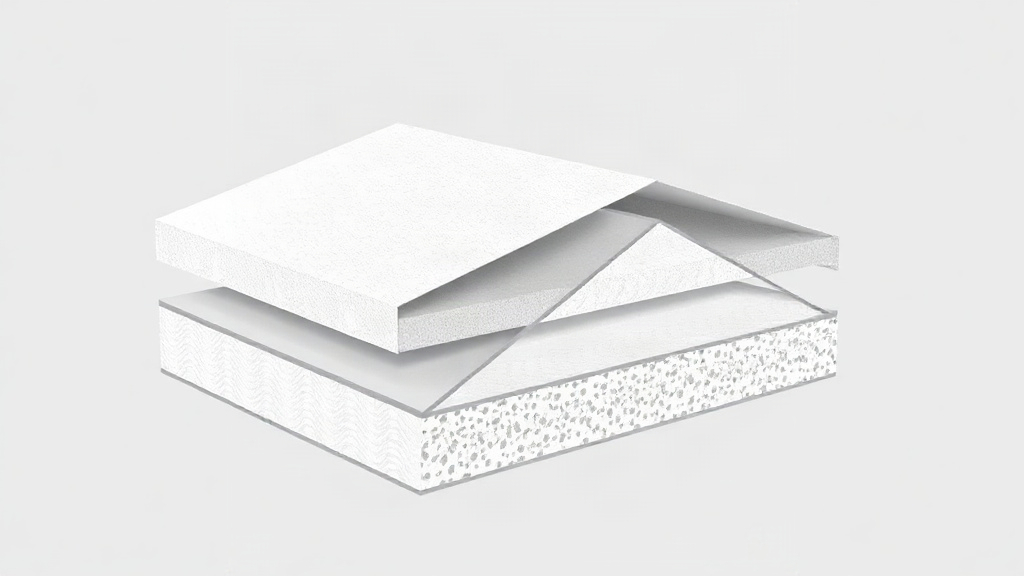
EPS insulation is a rigid, closed-cell foam made from expanded polystyrene beads. The manufacturing process involves heating polystyrene beads with steam, causing them to expand and fuse together. The result is a lightweight, rigid panel with millions of tiny air pockets that provide exceptional thermal resistance. Unlike extruded polystyrene (XPS), which has a smoother, denser surface, EPS is composed of individual beads, giving it a slightly textured appearance. Both materials are effective insulators, but EPS is generally more affordable and has a lower environmental impact because it doesn't use blowing agents with high global warming potential. EPS insulation typically comes in large sheets with tongue-and-groove edges for easy installation.
How EPS Insulation Works
The magic of EPS insulation lies in its structure. The trapped air within the foam cells is a poor conductor of heat, which slows down the transfer of heat through the material. This means that in winter, heat from your home's interior is reflected back inside, and in summer, heat from the sun is kept out. The effectiveness of EPS insulation is measured by its R-value, which indicates its resistance to heat flow. The higher the R-value, the better the insulation. EPS insulation typically has an R-value of about 3.6 to 4.0 per inch of thickness, depending on density. For roofing applications, you can achieve high R-values by using thicker panels or layering them.
Why Choose EPS Insulation for Your Roof?
There are several compelling reasons to choose EPS insulation for your roofing project. Let's break them down.
1. Superior Thermal Performance
EPS insulation provides excellent thermal resistance, helping to maintain a consistent indoor temperature. This reduces the workload on your heating and cooling systems, leading to lower energy bills. According to the U.S. Department of Energy, properly insulating your roof can save you up to 20% on heating and cooling costs. EPS insulation's closed-cell structure also resists moisture absorption, so it maintains its R-value even in humid conditions, unlike some other insulation materials that can degrade when wet.
2. Cost-Effective
Compared to other rigid foam insulations like polyisocyanurate or XPS, EPS is significantly cheaper. It offers a high return on investment, especially when you consider the long-term energy savings. For DIY enthusiasts, EPS panels are easy to cut and install, which can further reduce labor costs. Even if you hire a professional, the material cost savings are substantial.
3. Lightweight and Easy to Install
EPS insulation is incredibly lightweight, making it easy to handle and install on roofs. It doesn't add significant structural load, which is particularly important for older homes or flat roofs. The panels can be cut with a regular saw or hot wire cutter to fit around vents, skylights, and other obstructions. The tongue-and-groove edges ensure a tight fit, minimizing gaps that could lead to thermal bridging.
4. Moisture Resistance
EPS insulation has a closed-cell structure that resists water absorption. This means it won't soak up moisture like fiberglass or cellulose insulation, which can lead to mold growth and reduced performance. In roofing applications, where moisture can be a persistent issue, EPS is a reliable choice. However, it's still important to ensure proper drainage and ventilation in your roof assembly.
5. Environmentally Friendly
EPS is 100% recyclable and often contains recycled content. It doesn't use CFCs or HCFCs in its manufacturing, which are harmful to the ozone layer. Additionally, its energy-saving benefits reduce your carbon footprint over time. Many EPS manufacturers also offer products with recycled content, further enhancing its eco-friendliness.
Types of EPS Insulation for Roofs
EPS insulation comes in various forms suited for different roofing applications. Here are the most common types:
- EPS Roof Panels: These are large, rigid panels designed specifically for flat or low-slope roofs. They often have a tapered design to create proper drainage slopes. They can be used under membrane roofing systems like TPO or EPDM.
- EPS Insulation Boards: These are general-purpose boards that can be used in various roof assemblies, including pitched roofs. They are typically installed between rafters or on top of the roof deck.
- EPS Foam Insulation: This refers to the raw material in block form, which can be cut into custom shapes. It's often used for specialized applications or DIY projects.
When selecting EPS insulation, consider the R-value required for your climate zone, the thickness needed, and the compressive strength. For roof applications, a higher compressive strength (e.g., 15 psi or more) is recommended to withstand foot traffic during installation and maintenance.
How to Install EPS Insulation on Your Roof
Installing EPS insulation on a roof is a manageable project for a skilled DIYer, but it's crucial to follow proper procedures to ensure effectiveness and safety. Here's a step-by-step overview:
- Prepare the Roof Deck: Clean the roof surface, removing any debris, nails, or old roofing material. Ensure the deck is dry and structurally sound. Repair any damage before proceeding.
- Install a Vapor Barrier: In cold climates, a vapor barrier may be needed on the warm side of the insulation to prevent moisture from entering the roof assembly. Consult local building codes.
- Lay the EPS Panels: Start at the lowest point of the roof and work upwards. Apply adhesive or mechanical fasteners according to the manufacturer's instructions. Stagger the seams between layers to reduce thermal bridging. For multiple layers, use longer fasteners to secure them.
- Seal the Seams: Use compatible tape or foam sealant to fill any gaps between panels. This prevents air leakage and moisture infiltration.
- Add a Cover Board: A cover board (e.g., plywood or OSB) may be required over the insulation to provide a stable surface for the roofing membrane and protect the EPS from UV exposure and physical damage.
- Install Roofing Membrane: Apply your chosen roofing material (e.g., shingles, TPO, EPDM) following the manufacturer's guidelines.
Always wear protective gear, including gloves, goggles, and a dust mask, when cutting EPS. Work in a well-ventilated area.
Common Mistakes to Avoid with EPS Insulation
Even though EPS insulation is forgiving, some pitfalls can compromise its performance. Watch out for these:
- Improper Thickness: Using too thin panels results in low R-values. Calculate the required R-value for your climate zone and choose the appropriate thickness.
- Gaps and Voids: Leaving gaps between panels or around penetrations allows air to bypass the insulation, reducing its effectiveness. Seal all seams and edges.
- Moisture Trapping: In some roof assemblies, adding a vapor barrier in the wrong place can trap moisture. Consult a building science expert if unsure.
- Overloading the Structure: While EPS is lightweight, adding multiple layers plus a cover board and roofing material can still add weight. Ensure your roof structure can support the load.
Frequently Asked Questions About EPS Insulation
What is the R-value of EPS insulation?
The R-value of EPS insulation typically ranges from 3.6 to 4.0 per inch of thickness, depending on density. For example, a 2-inch thick EPS panel would have an R-value of about 7.2 to 8.0. To achieve higher R-values, you can use thicker panels or multiple layers.
Can EPS insulation be used on flat roofs?
Yes, EPS insulation is commonly used on flat roofs, especially in low-slope commercial buildings. Tapered EPS panels are often used to create drainage slopes. It can be installed under various membrane roofing systems, such as TPO, EPDM, and modified bitumen.
Is EPS insulation waterproof?
EPS insulation is moisture-resistant but not completely waterproof. Its closed-cell structure resists water absorption, but prolonged exposure to water can still affect its performance. Proper roof drainage and a waterproof membrane are essential to protect the insulation.
How long does EPS insulation last?
EPS insulation can last for the lifetime of the building when properly installed and protected from UV exposure and physical damage. It does not degrade or lose its R-value over time, unlike some other insulation materials.
Can I install EPS insulation myself?
Yes, EPS insulation is DIY-friendly due to its lightweight and easy-to-cut nature. However, roofing projects can be dangerous, so if you're not comfortable working on a roof, it's best to hire a professional. Also, ensure you follow local building codes and manufacturer instructions.
Conclusion
EPS insulation offers a winning combination of affordability, performance, and ease of installation for roofing projects. By choosing EPS insulation, you can significantly improve your home's energy efficiency, reduce utility bills, and contribute to a more sustainable future. Whether you're building a new home or retrofitting an existing roof, EPS insulation is a smart investment that pays off in comfort and savings. Remember to calculate your R-value needs, install carefully, and enjoy the benefits of a well-insulated roof.