
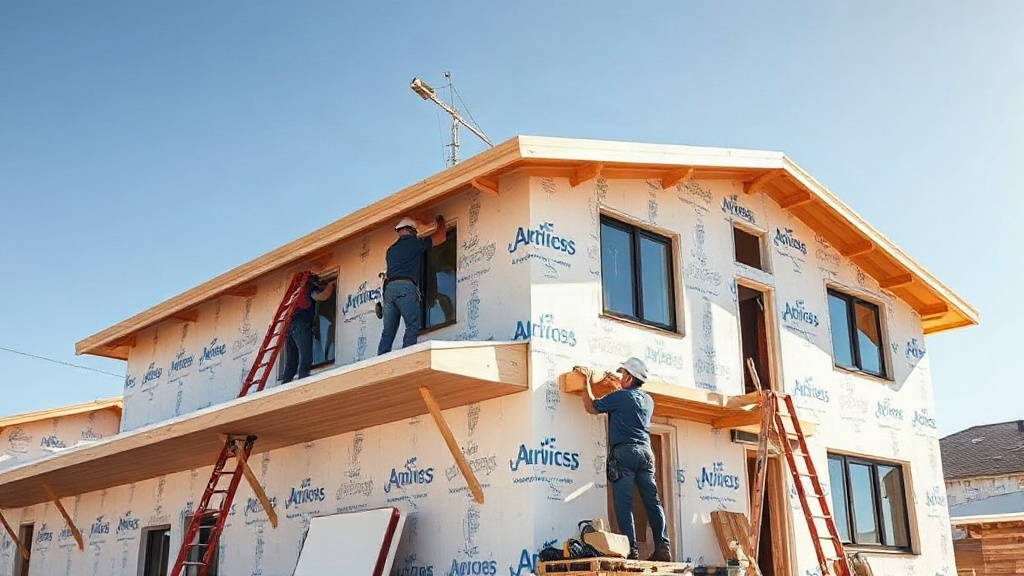
When you think about improving your home's energy efficiency, EPS insulation might not be the first thing that comes to mind. But this unassuming material, made from expanded polystyrene, is quietly revolutionizing how homes stay warm in winter and cool in summer. If you're tired of high energy bills and drafty rooms, understanding EPS insulation could be the key to a more comfortable and sustainable home.
What Is EPS Insulation?
EPS insulation is a rigid foam board made from expanded polystyrene beads. These beads are expanded using steam and then molded into large blocks, which are cut into panels of various thicknesses. The result is a lightweight, durable material with millions of tiny air pockets that resist heat flow. Unlike some other insulation types, EPS doesn't contain harmful chemicals like formaldehyde or CFCs, making it a safer choice for your family and the environment.
How EPS Insulation Works
The magic of EPS insulation lies in its cellular structure. Each polystyrene bead contains about 98% air, which is a poor conductor of heat. When molded together, these beads create a barrier that slows down the transfer of heat. In winter, it keeps warmth inside; in summer, it keeps heat out. This simple principle translates into significant energy savings.
Benefits of EPS Insulation for Your Home
Choosing EPS insulation offers a range of benefits that go beyond just energy savings. Let's explore why homeowners and builders alike are turning to this material.
Energy Efficiency and Cost Savings
One of the most compelling reasons to install EPS insulation is the potential to reduce your energy bills. According to the U.S. Department of Energy, heating and cooling account for about 50% of a typical home's energy use. By adding EPS insulation, you can significantly cut that consumption. The exact savings depend on your climate, home size, and existing insulation, but many homeowners report reductions of 20% or more on their heating and cooling costs.
Environmental Impact
EPS insulation is recyclable and often made with recycled content. It doesn't deplete the ozone layer and has a low global warming potential compared to some other insulation materials. By reducing your energy consumption, you also shrink your carbon footprint, contributing to a healthier planet.
Comfort and Indoor Air Quality
Beyond savings, EPS insulation improves indoor comfort by eliminating drafts and cold spots. It also helps with soundproofing, reducing outside noise. Since EPS is inert and doesn't off-gas harmful chemicals, it supports better indoor air quality, which is especially important for people with allergies or respiratory issues.
Where to Use EPS Insulation in Your Home
EPS insulation is versatile and can be used in various areas of your home. Here are some common applications:
- Walls: EPS rigid foam boards are ideal for exterior walls, including basement walls, and can be used in cavity walls.
- Roofs: Whether you have a flat roof or a pitched roof, EPS insulation panels provide excellent thermal resistance. They are commonly used in roof decks and attic spaces.
- Floors: EPS can insulate floors over unheated spaces, such as garages or crawl spaces.
- Foundations: Exterior foundation insulation with EPS helps prevent heat loss and moisture issues.
Comparing EPS Insulation to Other Insulation Types
When choosing insulation, it's helpful to compare EPS insulation with alternatives like fiberglass, mineral wool, and polyurethane foam. Each has its pros and cons, but EPS stands out for its balance of cost, performance, and environmental profile.
EPS vs. Fiberglass
Fiberglass is cheaper upfront but has a lower R-value per inch and can irritate skin and lungs during installation. EPS insulation offers higher R-value per inch, is easier to handle, and doesn't pose the same health risks.
EPS vs. Polyurethane (PUR) Foam
Polyurethane foam has a slightly higher R-value per inch, but it's more expensive and often contains chemicals with higher environmental impact. EPS insulation is more budget-friendly and environmentally friendly.
EPS vs. Mineral Wool
Mineral wool is fire-resistant and sound-absorbing but heavier and more expensive. EPS is lightweight, easy to cut, and offers good moisture resistance.
Installation Tips for EPS Insulation
Installing EPS insulation is a project many DIYers can tackle, but proper technique is crucial for optimal performance. Here are some key tips:
- Measure twice, cut once: Use a sharp utility knife or a hot wire cutter to get clean edges. Ensure panels fit snugly without gaps.
- Seal gaps and seams: Use expanding foam or tape designed for foam insulation to seal any gaps. Even small gaps can reduce effectiveness.
- Use appropriate fasteners: For walls, use cap nails or screws with washers to secure panels without compressing them.
- Add a vapor barrier: In cold climates, a vapor barrier on the warm side of the insulation prevents moisture issues.
- Check local codes: Some areas require a thermal barrier (like drywall) over foam insulation for fire safety.
If you're not comfortable with DIY, hiring a professional ensures the job is done right. Many insulation contractors specialize in EPS and can advise on the best approach for your home.
Cost of EPS Insulation and ROI
The cost of EPS insulation varies based on thickness, R-value, and location. On average, you might pay $0.50 to $1.50 per square foot for the material, plus installation if you hire a pro. While the upfront cost may seem significant, the return on investment comes through lower energy bills. Many homeowners recoup their investment within 3 to 5 years, and the savings continue for the life of the insulation, which can be 50 years or more with proper installation.
Common Mistakes to Avoid with EPS Insulation
Even though EPS insulation is forgiving, some pitfalls can undermine its performance. Watch out for these:
- Compressing the panels: Squeezing EPS reduces its R-value. Always handle with care.
- Leaving gaps: Air leaks are the enemy of insulation. Seal all seams.
- Ignoring moisture: EPS is moisture-resistant, but prolonged exposure to water can degrade performance. Ensure proper drainage and vapor barriers.
- Using the wrong thickness: Match the R-value to your climate zone for optimal results.
Frequently Asked Questions About EPS Insulation
Is EPS insulation safe for my family?
Yes, EPS insulation is considered safe. It is inert, does not off-gas harmful chemicals, and is often used in food packaging. However, like all foam plastics, it should not be exposed to open flames as it can burn. Always cover it with a fire-rated barrier as per building codes.
Can EPS insulation get wet?
EPS insulation is moisture-resistant and does not absorb water like fiberglass. However, if it stays wet for long periods, its thermal performance can suffer. Proper installation with drainage and vapor barriers prevents moisture issues.
How long does EPS insulation last?
With proper installation, EPS insulation can last the lifetime of your home, often 50 years or more. It does not degrade or lose its R-value over time, unlike some other insulation materials.
Can I install EPS insulation myself?
Yes, many homeowners install EPS insulation as a DIY project, especially in attics and basements. However, for complex applications like exterior walls, hiring a professional ensures proper installation and adherence to building codes.
Does EPS insulation attract pests?
EPS insulation does not provide food for pests, but rodents may nest in it if there are gaps. Sealing all entry points and using proper barriers can prevent this. Unlike some other insulations, it does not attract insects like ants or termites.
By now, you should have a solid understanding of how EPS insulation can transform your home's energy efficiency and comfort. Whether you're building new or retrofitting, it's a smart investment that pays off in multiple ways.