
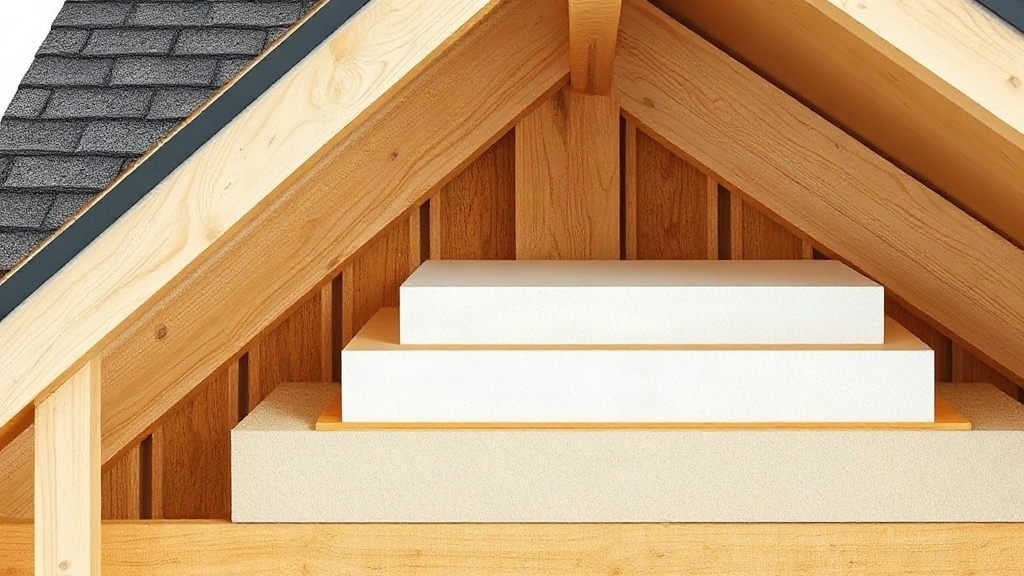
When your energy bills keep climbing and certain rooms never feel quite right, the culprit is often poor insulation. Among the many options available, EPS insulation stands out as a practical, cost-effective solution that delivers real results. Whether you're building new or retrofitting an older home, understanding what EPS insulation is and how it works can help you make a confident decision for your comfort and your wallet.
What Is EPS Insulation?
EPS stands for expanded polystyrene. It's a lightweight, rigid foam made from polystyrene beads that are expanded with steam and molded into various shapes, including boards, panels, and custom forms. You've likely encountered it in packaging or coffee cups, but its insulation properties make it a heavyweight in building performance. EPS insulation is composed of about 98% air, which is what gives it excellent thermal resistance. The material is inert, doesn't degrade over time, and resists moisture absorption, making it suitable for roofs, walls, and foundations.
Why EPS Insulation Deserves a Closer Look
Not all insulation is created equal, and EPS offers a blend of benefits that few materials can match. Here's what you gain when you choose EPS insulation for your project.
Energy Efficiency That Pays You Back
The primary job of insulation is to slow heat transfer. EPS insulation does this remarkably well, with R-values typically ranging from R-3.6 to R-4.4 per inch, depending on density. That means a relatively thin layer can provide significant thermal resistance. In real terms, adding EPS insulation to an under-insulated attic or roof can reduce heating and cooling costs by up to 20% or more, depending on your climate and existing conditions. Those savings accumulate month after month, turning your insulation investment into a long-term financial win.
Moisture Resistance and Durability
Unlike some fibrous insulations that can trap moisture and lose performance when damp, EPS insulation is closed-cell in nature. It doesn't absorb water readily, so it maintains its R-value even in humid conditions. This also helps prevent mold growth and rot within the building envelope. EPS insulation won't rot, mildew, or serve as a food source for pests, and it retains its shape and performance for decades.
Versatility Across Applications
EPS insulation isn't limited to one part of your home. It's used in roof panels, wall assemblies, foundation insulation, and even under concrete slabs. Its rigid form allows for precise cuts and fits, and it can be manufactured into large panels that speed up installation on roofs. For homeowners tackling a roofing project, EPS roof panels combine structural support and insulation in one product, simplifying the build.
Environmental Profile
EPS insulation is recyclable and increasingly made with recycled content. It requires less energy to produce than many alternatives, and its lightweight nature reduces transportation emissions. Because it helps reduce energy consumption over the life of a building, the environmental payback is substantial. Many green building programs recognize EPS insulation for its contribution to energy efficiency.
How EPS Insulation Compares to Other Options
When planning a project, it helps to see how EPS stacks up against common insulation materials.
- Fiberglass batts: Cheaper upfront but lower R-value per inch, prone to air gaps, and can irritate skin during installation. EPS insulation offers higher R-value per inch and better moisture resistance.
- XPS (extruded polystyrene): Slightly higher R-value per inch than EPS but more expensive and often uses blowing agents with higher global warming potential. EPS insulation is a more budget-friendly and environmentally preferable choice for many applications.
- Polyisocyanurate: Higher R-value but significantly more costly. EPS insulation provides a better balance of performance and affordability for most residential projects.
- Spray foam: Excellent air sealing but requires professional application and can be expensive. EPS insulation in panel form is easier to install and more predictable in cost.
Where to Use EPS Insulation in Your Home
EPS insulation adapts to nearly any part of a home's thermal envelope. Here are the most common applications:
- Roofs: Whether you have a flat roof or a pitched roof, EPS insulation boards can be installed above or below the deck. For steep-slope roofs, EPS roof panels integrate insulation with the structural panel, saving time and labor.
- Walls: Rigid EPS insulation boards fit between framing or as continuous exterior insulation, reducing thermal bridging.
- Foundations: EPS insulation is ideal for exterior foundation walls and under slabs, where moisture resistance is critical.
- Attics: Adding EPS insulation to an attic floor or rafters can dramatically improve comfort in upper floors.
Installation Tips for EPS Insulation
Proper installation is key to maximizing the benefits of EPS insulation. Here are some practical pointers:
- Seal air leaks first: Insulation slows heat conduction, but air leaks bypass it entirely. Caulk and seal gaps around windows, doors, and penetrations before installing EPS insulation.
- Use the right thickness: Calculate the R-value you need based on your climate zone and building code. More isn't always better if it complicates detailing, but meeting code minimums is essential.
- Ensure proper fit: Cut EPS insulation boards snugly to avoid gaps. Use foam sealant at edges for a tight seal.
- Protect from UV: EPS insulation degrades when exposed to sunlight. Cover it with siding, roofing, or a protective coating.
- Follow manufacturer guidelines: Different EPS products have specific installation requirements. Always read and follow the instructions.
Common Mistakes to Avoid with EPS Insulation
Even a great product can underperform if installed incorrectly. Watch out for these pitfalls:
- Compressing the insulation: EPS insulation works because of its air content. Squashing it reduces R-value.
- Leaving gaps: Gaps allow air movement and reduce effectiveness. Fill them with expanding foam.
- Ignoring thermal bridging: Wood studs conduct heat. Using continuous EPS insulation on the exterior minimizes this.
- Forgetting about moisture management: While EPS resists moisture, the assembly must still allow drying. Consult a building science professional for complex assemblies.
Frequently Asked Questions About EPS Insulation
How long does EPS insulation last?
EPS insulation is incredibly durable and can last the lifetime of the building. It doesn't degrade or lose R-value over time as long as it's protected from UV exposure and physical damage.
Is EPS insulation safe for my family?
Yes, EPS insulation is safe. It is chemically inert, does not off-gas harmful chemicals, and does not support mold or pests. It is widely used in homes and is approved by building codes.
Can I install EPS insulation myself?
For small projects like attic insulation, DIY installation is feasible. However, for roofs or walls, professional installation ensures proper detailing and performance. Always follow safety guidelines and local codes.
How does EPS insulation handle fire?
EPS insulation contains flame retardants and will not sustain a flame on its own. However, it should be covered with a fire-rated material such as drywall or a thermal barrier in interior applications, as required by code.
What R-value do I need for my climate?
R-value requirements vary by climate zone. The U.S. Department of Energy provides recommendations. In general, colder climates need higher R-values. Consult local building codes for specifics.
EPS insulation offers a smart combination of performance, affordability, and durability. By understanding its strengths and installing it correctly, you can create a more comfortable, energy-efficient home that saves money year after year. Whether you're upgrading an attic or building a new roof, EPS insulation is a choice you can feel good about.