
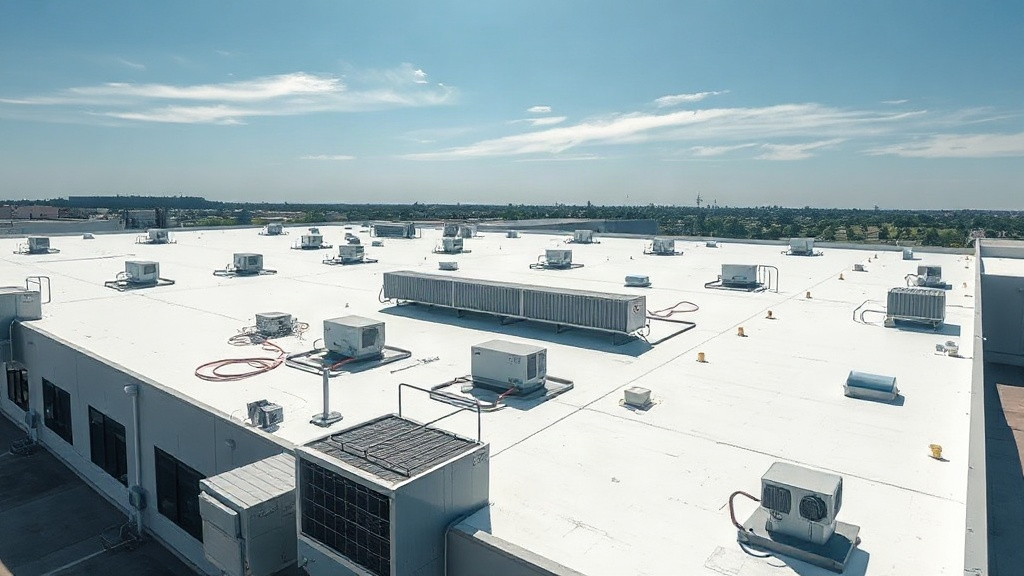
When it comes to protecting your commercial property, the roof is your first line of defense. But with so many options available, choosing the right Commercial Roofing Systems can feel overwhelming. Whether you're building a new facility or replacing an old roof, the decision you make will impact your budget, energy costs, and peace of mind for decades. In this guide, we'll walk you through the key factors to consider, the most popular materials, and expert insights to help you make an informed choice.
Why Your Choice of Commercial Roofing System Matters
A commercial roof isn't just a cover; it's a critical component of your building's envelope. It affects energy efficiency, indoor comfort, and structural integrity. Unlike residential roofs, commercial roofs often have to withstand foot traffic, heavy equipment, and harsh weather conditions. The wrong system can lead to leaks, high maintenance costs, and even business disruptions. That's why understanding the differences between Commercial Roofing Systems is essential for any property owner or facility manager.
Key Factors to Consider When Choosing a Commercial Roofing System
Before diving into specific materials, evaluate these factors to narrow down your options:
- Building type and use: A warehouse has different needs than a hospital or retail store.
- Climate: Areas with extreme heat, cold, or hail require specific materials.
- Budget: Consider not just installation cost but also long-term maintenance and energy savings.
- Structural capacity: Some roofs are heavier than others and may require additional support.
- Aesthetics: If your building has architectural significance, you may want a roof that complements its look.
Popular Commercial Roofing Systems Compared
Let's explore the most common types of Commercial Roofing Systems and their pros and cons.
1. Single-Ply Membranes (TPO, EPDM, PVC)
Single-ply membranes are flexible sheets made from synthetic rubber or plastic. They are lightweight, easy to install, and cost-effective.
- TPO (Thermoplastic Polyolefin): Energy-efficient, resistant to UV and chemicals. Ideal for restaurants and buildings with grease exhaust.
- EPDM (Ethylene Propylene Diene Monomer): Durable, weather-resistant, and low-maintenance. Great for extreme cold.
- PVC (Polyvinyl Chloride): Similar to TPO but with even better chemical resistance. Often used in food processing plants.
These systems are typically installed in a fully adhered, mechanically attached, or ballasted manner. They are a popular choice for flat or low-slope roofs.
2. Built-Up Roofing (BUR)
BUR, also known as tar and gravel, has been a staple in commercial roofing for over a century. It consists of multiple layers of asphalt and reinforcing fabric, topped with gravel. It's known for its durability and redundancy, but installation is labor-intensive and the smell can be an issue. Modern BUR systems can incorporate cool roof coatings to improve energy efficiency.
3. Modified Bitumen
Modified bitumen is similar to BUR but uses polymer-modified asphalt for greater flexibility and weather resistance. It comes in rolls and can be applied with heat, cold adhesive, or self-adhering. It's a good option for roofs with heavy foot traffic.
4. Metal Roofing
Metal roofs are durable, long-lasting, and energy-efficient, especially when painted with reflective coatings. They come in various profiles, including standing seam and corrugated panels. While the upfront cost is higher, their longevity and low maintenance can make them cost-effective over time. Metal roofs are also excellent for rainwater harvesting.
5. Spray Polyurethane Foam (SPF)
SPF is a seamless, lightweight system that provides excellent insulation and waterproofing. It's sprayed as a liquid and expands to form a solid layer. SPF is ideal for roofs with many penetrations or irregular shapes. However, it requires a protective coating to shield it from UV damage.
How to Choose the Right System for Your Building
With so many options, how do you decide? Start by consulting a professional roofing contractor who specializes in commercial systems. They can assess your building's structure, climate, and usage to recommend the best fit. Also, consider the life-cycle cost, not just the initial price. A more expensive system might save you money in the long run through lower energy bills and fewer repairs.
Maintenance Tips for Commercial Roofing Systems
Regardless of which system you choose, regular maintenance is key to maximizing its lifespan. Here are some best practices:
- Inspect your roof at least twice a year and after major storms.
- Keep drains and gutters clear of debris.
- Limit foot traffic and use protective walkway pads.
- Address small leaks immediately to prevent major damage.
- Schedule professional inspections annually.
Frequently Asked Questions About Commercial Roofing Systems
What is the most durable commercial roofing system?
Metal roofing and built-up roofing are among the most durable, often lasting 40 years or more with proper maintenance. However, the best choice depends on your specific building and climate.
How long does a commercial roof last?
The lifespan varies by material: single-ply membranes typically last 15-25 years, modified bitumen 20-30 years, metal 40-70 years, and SPF 20-30 years with recoating.
Can I install a new commercial roof over an existing one?
Sometimes, yes. This is called a roof overlay or re-cover. However, building codes may limit the number of layers, and it's not always advisable if the existing roof has moisture damage. A professional assessment is necessary.
What is the most energy-efficient commercial roofing system?
Cool roofs, such as white TPO or PVC membranes, and metal roofs with reflective coatings, can significantly reduce cooling costs by reflecting sunlight. SPF also offers high insulation value.
How much does a commercial roof replacement cost?
Costs vary widely based on size, material, and location. On average, you can expect to pay $4 to $12 per square foot installed. Always get multiple quotes and consider life-cycle costs.
Final Thoughts
Selecting the right Commercial Roofing Systems is a major decision that affects your property's performance and your bottom line. By understanding your options and working with experienced professionals, you can ensure a roof that protects your investment for years to come. If you're in need of expert guidance or high-quality roofing solutions, contact EPS Roof Panels today. Our team specializes in durable, energy-efficient commercial roofing systems tailored to your needs.