
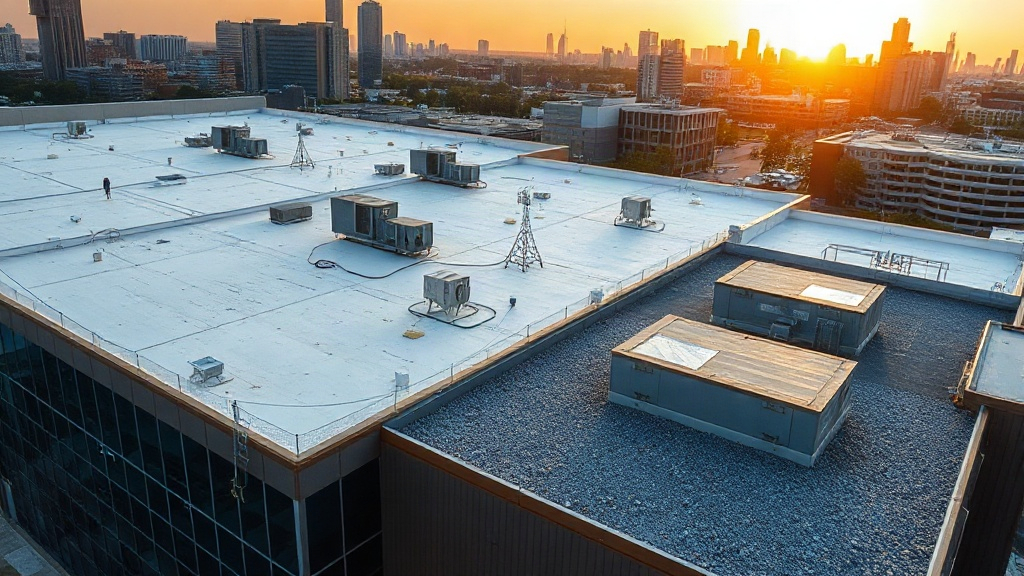
When you manage a commercial property, the roof over your head is more than just a cover—it's a critical asset that protects your investment, your tenants, and your operations. But with so many options available, selecting the right Commercial Roofing Systems can feel overwhelming. Whether you're dealing with a leaky roof, planning a new construction, or simply want to extend the life of your current roof, understanding the fundamentals of commercial roofing is essential. This guide will walk you through the most common systems, key selection criteria, and practical maintenance strategies to help you make a confident decision.
Understanding Commercial Roofing Systems
Commercial roofing differs significantly from residential roofing. While a home might have a steep-slope asphalt shingle roof, commercial buildings typically feature low-slope or flat roofs. These roofs must withstand heavy foot traffic, harsh weather, and the demands of HVAC equipment. The choice of system impacts energy efficiency, maintenance costs, and overall lifespan. Let's explore the main types.
Built-Up Roofing (BUR)
Built-up roofing, often called "tar and gravel," has been a staple for over a century. It consists of multiple layers of asphalt-impregnated felt or fabric alternating with hot asphalt, topped with a layer of gravel or mineral granules. BUR is known for its durability and redundancy—if one layer fails, others provide backup. However, installation is labor-intensive and requires hot asphalt, which can be hazardous. It's a good choice for buildings with heavy foot traffic or where multiple layers are needed for waterproofing.
Modified Bitumen Roofing
Modified bitumen is essentially an evolution of BUR. It comes in rolls and is applied using heat (torch-down), cold adhesive, or self-adhering methods. The modifiers (APP or SBS) enhance flexibility and weather resistance. This system is popular for its ease of installation and good performance in various climates. It's often used for re-roofing projects because it can be installed directly over existing roofs in some cases.
EPDM (Rubber) Roofing
EPDM, or ethylene propylene diene monomer, is a synthetic rubber membrane. It's typically black but can be white. EPDM is highly resistant to UV radiation, ozone, and extreme temperatures. It's also lightweight and easy to install, making it a cost-effective option for large flat roofs. However, seams can be a weak point if not properly adhered. EPDM is a solid choice for buildings in areas with intense sunlight.
TPO and PVC Roofing
Thermoplastic polyolefin (TPO) and polyvinyl chloride (PVC) are single-ply membranes that are heat-welded at seams to create a monolithic surface. Both are highly reflective, which can reduce cooling costs. TPO is generally less expensive, while PVC offers superior chemical resistance and longevity. These systems are popular for their energy efficiency and clean appearance. They are ideal for buildings aiming for LEED certification or lower energy bills.
Metal Roofing
Metal roofing systems, including standing seam and corrugated panels, are known for their longevity and low maintenance. They can be made of steel, aluminum, copper, or zinc. Metal roofs are excellent for shedding snow and rain, and they can be coated with reflective finishes to improve energy efficiency. They are often used on industrial buildings and warehouses. While the upfront cost is higher, the long-term savings can be substantial.
Spray Polyurethane Foam (SPF) Roofing
SPF roofing involves spraying a mixture of polyol and isocyanate onto the roof surface, creating a seamless, insulating layer. It's then coated with a protective elastomeric coating. SPF is excellent for irregularly shaped roofs and adds insulation, which can significantly reduce energy costs. It's also lightweight and can be applied over existing roofs. However, it requires skilled applicators and is sensitive to moisture during application.
How to Choose the Right Commercial Roofing System
Selecting the best system for your building involves more than just picking the cheapest option. Consider these factors:
- Building use and occupancy: A restaurant with grease-laden exhaust needs a roof that resists chemicals, while a warehouse might prioritize durability and low maintenance.
- Climate: In areas with heavy snow, metal or steep-slope roofs are better. In sunny regions, reflective membranes like TPO or PVC can cut cooling costs.
- Budget: Consider both initial cost and long-term maintenance. Sometimes a higher upfront investment saves money over the roof's life.
- Structural capacity: Some systems are heavier than others. Ensure your building can support the load.
- Energy efficiency: Cool roofs, insulation, and reflective coatings can reduce energy consumption and earn tax incentives.
- Maintenance capabilities: If you don't have a maintenance team, choose a system that requires minimal upkeep.
- Warranty and installer expertise: A good warranty is only as good as the installer. Choose certified contractors.
Installation Considerations
Proper installation is key to performance. Here are some tips:
- Hire licensed and insured contractors with experience in your chosen system.
- Ensure the roof deck is clean, dry, and structurally sound before installation.
- Pay attention to details: flashings, drains, and penetrations are common leak points.
- Schedule installation during dry weather to avoid moisture trapped in the system.
- Consider a roof inspection by a third party after installation.
Maintenance Best Practices
Even the best roof needs care. Regular maintenance extends lifespan and prevents costly repairs.
- Inspect your roof at least twice a year and after major storms.
- Keep drains and gutters clear of debris.
- Limit foot traffic and use walkway pads if needed.
- Address small issues immediately—a minor leak can become a major problem.
- Keep a roof log with inspection dates, repairs, and photos.
For those with Commercial Roofing Systems that include insulation, check for signs of moisture intrusion, which can reduce R-value.
Cost Factors
Costs vary widely based on system type, building size, location, and labor. As a rough guide:
- BUR: $4–$8 per square foot
- Modified Bitumen: $4–$7 per square foot
- EPDM: $3–$6 per square foot
- TPO/PVC: $4–$8 per square foot
- Metal: $7–$14 per square foot
- SPF: $5–$10 per square foot
These are estimates; get multiple quotes and consider lifecycle costs.
Frequently Asked Questions
What is the most durable commercial roofing system?
Metal roofing and built-up roofing are among the most durable, often lasting 30–50 years or more with proper maintenance. However, durability depends on installation quality and maintenance.
How often should I inspect my commercial roof?
At least twice a year—typically in spring and fall—and after any severe weather event. Regular inspections help catch issues early.
Can I install a new roof over my existing one?
Sometimes, yes. Modified bitumen, EPDM, and TPO can often be installed over an existing roof if it's structurally sound and not too wet. However, building codes may limit the number of layers. Consult a professional.
What is the most energy-efficient commercial roofing system?
Reflective single-ply membranes like TPO and PVC, as well as cool metal roofs with reflective coatings, are highly energy-efficient. SPF also adds insulation, reducing energy costs.
How can I extend the life of my commercial roof?
Regular maintenance, prompt repairs, and avoiding unnecessary foot traffic are key. Also, consider protective coatings for some systems.