
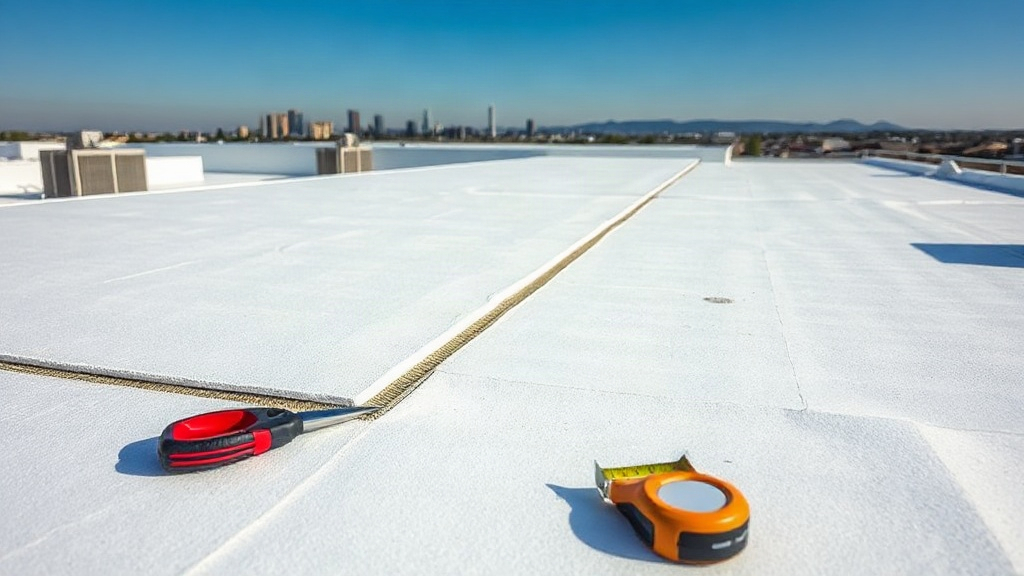
When it comes to protecting your commercial property, the roof is your first line of defense against the elements. But not all roofs are created equal. In today's market, Commercial Roofing Systems have evolved to meet demanding requirements for energy efficiency, durability, and sustainability. Among the most innovative solutions are EPS roof panels, which combine expanded polystyrene insulation with structural integrity to deliver exceptional performance. Whether you're building new or retrofitting an existing roof, understanding how EPS panels fit into modern commercial roofing systems can save you money and headaches down the line.
What Are EPS Roof Panels?
EPS, or expanded polystyrene, is a lightweight, rigid foam insulation material known for its excellent thermal resistance. In roofing applications, EPS panels are typically sandwiched between other materials to create a composite panel that offers insulation and structural support. These panels are used in various Commercial Roofing Systems, including built-up roofs, modified bitumen, and single-ply membranes. The core benefits of EPS include high R-value per inch, moisture resistance, and low environmental impact. Unlike some insulation materials, EPS does not contain ozone-depleting substances and is fully recyclable.
Composition and Manufacturing
EPS panels are manufactured by expanding polystyrene beads using steam, which causes them to fuse together into a solid block. These blocks are then cut into sheets of various thicknesses. For roofing, the panels may be laminated to facers such as oriented strand board (OSB) or plywood to add structural strength. The result is a strong, lightweight panel that can be installed quickly and efficiently.
Why Choose EPS for Commercial Roofing Systems?
Commercial buildings face unique challenges: large roof areas, exposure to harsh weather, and the need to minimize energy costs. EPS roof panels address these challenges head-on. Here are some compelling reasons to consider EPS for your next roofing project.
Superior Insulation Performance
EPS has one of the highest R-values per dollar among common insulation materials. This means you can achieve desired thermal performance with less thickness, reducing overall roof height and material costs. For commercial buildings, where roof area is extensive, even a small improvement in insulation can lead to significant energy savings. By reducing heat transfer, EPS helps maintain consistent indoor temperatures, easing the load on HVAC systems.
Lightweight and Easy to Install
EPS panels are remarkably lightweight, which simplifies transportation and installation. They can be cut on-site to fit around penetrations, skylights, and edges, minimizing waste. Installation is faster compared to heavier insulation boards, reducing labor costs and project timelines. This is especially beneficial for retrofitting existing buildings where structural load capacity may be a concern.
Durability and Moisture Resistance
EPS is closed-cell foam, meaning it resists water absorption. In a roofing assembly, this helps prevent moisture from penetrating the insulation, which can lead to mold growth and reduced thermal performance. When properly installed with a waterproof membrane, EPS panels contribute to a long-lasting, reliable roof. They also resist rot, decay, and insect damage, making them ideal for commercial environments.
Environmental Benefits
EPS is an environmentally responsible choice. It is manufactured without CFCs or HCFCs, which deplete the ozone layer. It also requires less energy to produce than many alternative insulations. At the end of its life, EPS can be recycled into new products, diverting waste from landfills. For businesses aiming for green building certifications like LEED, EPS roof panels can contribute valuable points.
Types of EPS Roof Panels
EPS roof panels come in various configurations to suit different roofing systems. The most common types include:
- Insulated Roof Panels: These consist of an EPS core bonded to a substrate, often used in metal roofing systems.
- Tapered EPS Panels: Designed to create slope for drainage on flat roofs, these panels are custom-cut to direct water flow.
- Composite EPS Panels: Combine EPS with other materials like plywood or cement board for enhanced structural performance.
Each type serves specific needs, so it's essential to consult with a roofing professional to determine the best fit for your building.
Installation Process for EPS Roof Panels
Proper installation is critical to maximize the benefits of EPS panels. While specific steps vary by roof type, here is a general overview:
1. Roof Deck Preparation
Ensure the roof deck is clean, dry, and structurally sound. Any damaged areas should be repaired before installing insulation. A smooth surface helps prevent punctures and ensures proper adhesion.
2. Layout and Cutting
Plan the layout to minimize seams and waste. EPS panels can be easily cut with a hot wire or saw. Always follow the manufacturer's guidelines for cutting and fitting around obstacles.
3. Attachment
Panels are typically attached using mechanical fasteners or adhesive. The method depends on the roof system and local building codes. Proper fastening prevents wind uplift and ensures stability.
4. Membrane Application
After the EPS panels are in place, a waterproof membrane (such as TPO, EPDM, or modified bitumen) is installed over them. This layer provides the primary weatherproofing. Seams are sealed to create a continuous barrier.
5. Finishing Touches
Install edge metal, flashing, and other details to complete the roof. Inspect the entire system for any gaps or potential issues.
Maintenance and Longevity
Like any roofing system, EPS roofs require periodic maintenance to ensure longevity. Schedule regular inspections to check for membrane damage, loose fasteners, or debris accumulation. Addressing small issues promptly can prevent costly repairs. With proper care, an EPS roof can last 20 years or more, depending on the membrane and environmental conditions.
Frequently Asked Questions
How does EPS compare to other insulation materials like XPS or polyiso?
EPS generally has a lower R-value per inch than XPS or polyiso, but it is more cost-effective and environmentally friendly. It also retains its R-value better over time in wet conditions compared to some alternatives. The choice depends on your budget and performance requirements.
Can EPS roof panels be installed over an existing roof?
Yes, EPS panels can often be installed over existing roofs, provided the substrate is in good condition. This can save on tear-off costs and reduce landfill waste. However, a professional assessment is needed to ensure compatibility and structural capacity.
Are EPS roof panels suitable for cold climates?
Absolutely. EPS maintains its insulating properties in cold weather and resists freeze-thaw cycles. When combined with a proper membrane, it performs well in harsh winter conditions.
What is the fire rating of EPS roof panels?
EPS contains flame retardants, but its fire performance depends on the entire roofing assembly. When covered with a fire-rated membrane, EPS roof systems can achieve Class A, B, or C ratings. Always check local codes and consult with a fire safety professional.
How can I find a qualified installer for EPS roof panels?
Look for contractors with experience in commercial roofing and EPS systems. Ask for references and verify certifications. Manufacturers like EPS Roof Panels can provide lists of approved installers in your area.
Choosing the right roofing system for your commercial building is a significant decision. EPS roof panels offer a balance of performance, cost, and sustainability that makes them a smart choice for many applications. By understanding the benefits and proper installation techniques, you can ensure your investment pays off for years to come. For more information or to discuss your project, contact the experts at EPS Roof Panels today.