
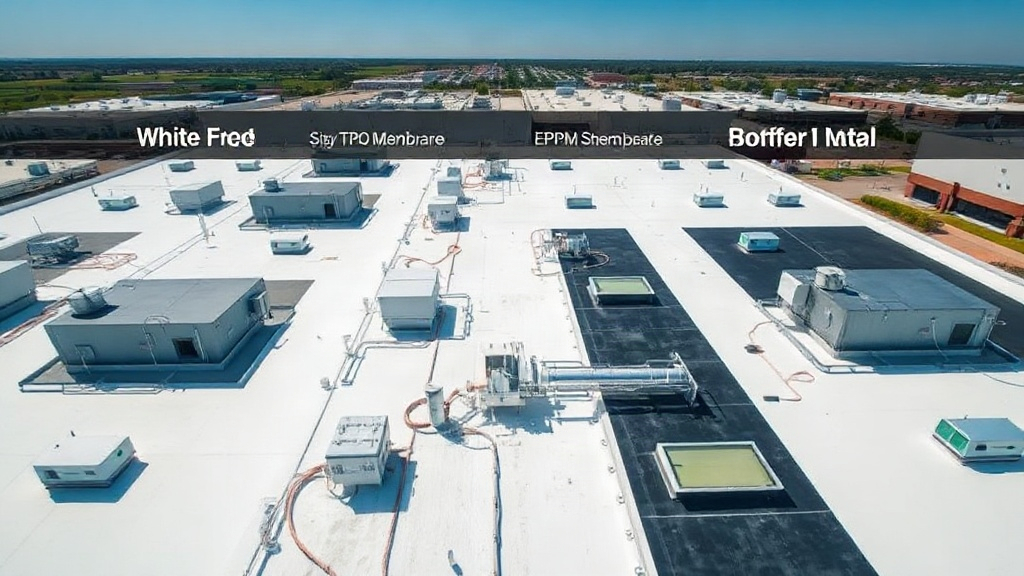
When you're responsible for a commercial building, the roof over your head is more than just a cover—it's a critical asset that protects your inventory, your employees, and your bottom line. But with so many options available, how do you choose the right commercial roofing systems for your property? Whether you're replacing an aging roof or specifying materials for a new construction, this guide will walk you through the key considerations, material options, and practical tips to make an informed decision.
Why Your Choice of Commercial Roofing System Matters
A commercial roof is subjected to constant stress: UV radiation, temperature swings, rain, snow, and wind. Unlike residential roofs, commercial roofs often cover large areas and house critical equipment like HVAC units, skylights, and solar panels. The wrong system can lead to leaks, high energy bills, and costly repairs. The right one can last decades with minimal maintenance, improve energy efficiency, and even enhance your building's value.
Moreover, building codes and sustainability goals are pushing property owners toward more energy-efficient and durable solutions. Understanding the differences between roofing systems is the first step toward a smart investment.
Key Factors to Consider Before You Choose
Before diving into specific materials, evaluate these factors that will influence your decision:
- Building structure and slope: Is your roof flat or pitched? Low-slope roofs (common in commercial buildings) require different systems than steep-slope ones.
- Climate and weather exposure: Areas with heavy snow, high winds, or extreme heat demand specific material properties.
- Budget and lifecycle cost: The initial cost is only part of the picture. Consider maintenance, energy savings, and lifespan.
- Energy efficiency goals: Cool roofing materials can reduce cooling loads and may qualify for rebates.
- Maintenance capabilities: Some systems require specialized maintenance; consider your facility team's expertise.
- Weight limitations: Some materials are heavier than others and may require structural reinforcement.
Types of Commercial Roofing Systems
Commercial roofing systems generally fall into two categories: low-slope (flat) and steep-slope. Here are the most common options, along with their pros and cons.
1. Single-Ply Membranes (TPO, EPDM, PVC)
Single-ply membranes are the most popular choice for flat and low-slope commercial roofs. They come in large rolls and are either mechanically attached, adhered, or ballasted.
- TPO (Thermoplastic Polyolefin): Energy-efficient (usually white), resistant to UV and chemicals, and cost-effective. Lifespan: 15–20 years.
- EPDM (Ethylene Propylene Diene Monomer): Durable, flexible in cold weather, and easy to repair. Often black, but white versions exist. Lifespan: 20–25 years.
- PVC (Polyvinyl Chloride): Highly resistant to chemicals and grease, ideal for restaurants. Lifespan: 15–20 years.
Single-ply systems are lightweight, quick to install, and relatively affordable. However, seams can be a weak point if not properly welded.
2. Modified Bitumen
Modified bitumen is an evolution of traditional asphalt roofing. It consists of asphalt reinforced with polymer modifiers and applied in layers. It's known for its durability and ease of installation using torch-down or self-adhesive methods.
- Pros: Excellent waterproofing, good for high-traffic roofs, and can be walkable.
- Cons: Heavier than single-ply, installation requires skilled labor, and it can be susceptible to ponding water.
- Lifespan: 15–20 years.
3. Metal Roofing
Metal roofing is a premium option for both low and steep-slope commercial buildings. It's available in various profiles, including standing seam, corrugated, and metal shingles.
- Pros: Extremely durable (50+ years), energy-efficient with cool coatings, low maintenance, and recyclable.
- Cons: Higher upfront cost, noisy during rain (unless insulated), and can be prone to denting.
- Lifespan: 40–70 years.
4. Built-Up Roofing (BUR)
Built-up roofing, also known as tar and gravel, has been used for over a century. It consists of alternating layers of asphalt and reinforcing fabrics, topped with gravel or a cap sheet.
- Pros: Proven durability, excellent waterproofing, and fire resistance.
- Cons: Heavy, installation is labor-intensive and odorous, and it's not energy-efficient unless coated.
- Lifespan: 20–30 years.
5. Spray Polyurethane Foam (SPF)
SPF roofing is a seamless, self-flashing system that expands on application. It's coated with a protective layer (e.g., acrylic or silicone) to shield against UV.
- Pros: Excellent insulation, seamless (no leaks at seams), lightweight, and can be applied over existing roofs.
- Cons: Requires professional application, can be damaged by foot traffic, and the coating needs periodic renewal.
- Lifespan: 20–30 years with proper maintenance.
Comparing Costs: What to Expect
The cost of a commercial roofing system varies widely based on material, labor, roof size, and location. Here are rough estimates per square foot installed:
- TPO: $5–$8
- EPDM: $5–$10
- Modified Bitumen: $6–$12
- Metal: $10–$20
- BUR: $6–$12
- SPF: $7–$15
Keep in mind that these are ballpark figures. Always get multiple quotes and ask about warranties and maintenance packages.
How to Choose the Best System for Your Building
Selecting the right commercial roofing system is a balancing act. Here's a step-by-step approach:
- Assess your roof's condition: Is it a tear-off or can you retrofit? A professional inspection will reveal the extent of damage.
- Define your priorities: Are you looking for the lowest upfront cost, longest lifespan, best energy efficiency, or easiest maintenance?
- Consult a roofing contractor: An experienced contractor can recommend systems suited to your climate and building use.
- Check references and warranties: Ensure the contractor is licensed and insured, and understand what the warranty covers.
- Plan for maintenance: Even the best roof needs regular inspections and upkeep.
Maintenance Tips to Extend Roof Life
Regardless of the system you choose, proactive maintenance can add years to its life:
- Schedule biannual inspections (spring and fall).
- Keep drains and gutters clear of debris.
- Trim overhanging tree branches.
- Address small leaks immediately.
- Limit foot traffic and use protective walkways.
- After severe storms, check for damage.
Frequently Asked Questions
How long do commercial roofing systems last?
Lifespan depends on the material: single-ply membranes typically last 15–25 years, modified bitumen 15–20 years, metal 40–70 years, and SPF 20–30 years with proper maintenance. Regular inspections and prompt repairs can maximize longevity.
Which commercial roofing system is the most energy-efficient?
Reflective single-ply membranes (like white TPO or PVC) and metal roofs with cool coatings are generally the most energy-efficient. They reflect sunlight, reducing heat absorption and lowering cooling costs. SPF also offers high insulation value.
Can I install a new commercial roof over an existing one?
Sometimes, yes. Retrofit installations (roof overlays) are possible with some systems, such as SPF or single-ply, if the existing roof is structurally sound and not too deteriorated. However, building codes may limit the number of layers, and a full tear-off may be necessary for proper inspection and warranty.
What is the typical cost of a commercial roof replacement?
Costs vary by material, roof size, and region. On average, you can expect to pay between $5 and $20 per square foot installed. For a 10,000 sq ft roof, that translates to $50,000–$200,000. Always obtain multiple quotes and consider lifecycle costs, not just the initial price.
How do I know if my commercial roof needs repair or replacement?
Signs include frequent leaks, visible cracks or blisters, ponding water, and a roof older than 20 years. A professional inspection can determine if repairs will suffice or if replacement is more cost-effective in the long run.
Choosing the right commercial roofing system is an investment in your building's future. By understanding your options and working with a trusted contractor, you can ensure a durable, efficient, and long-lasting roof that protects your assets for years to come.